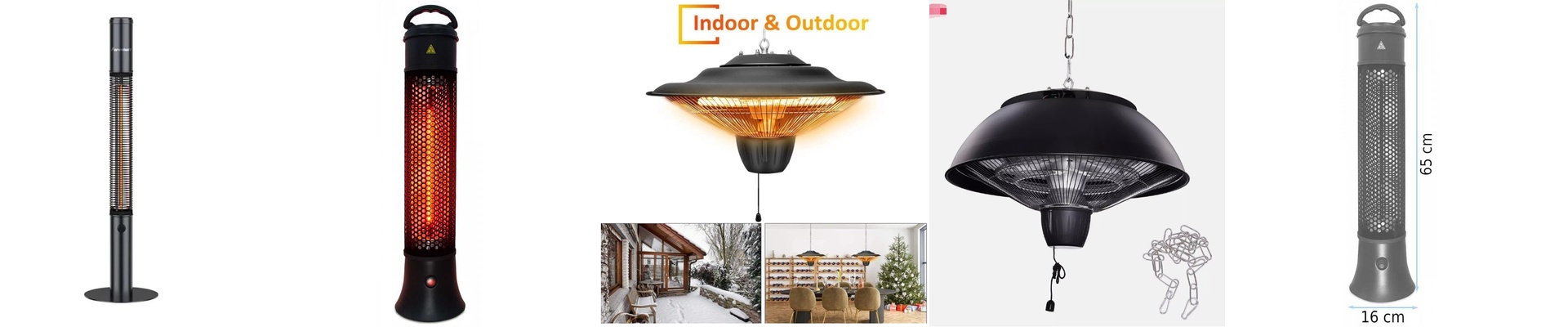
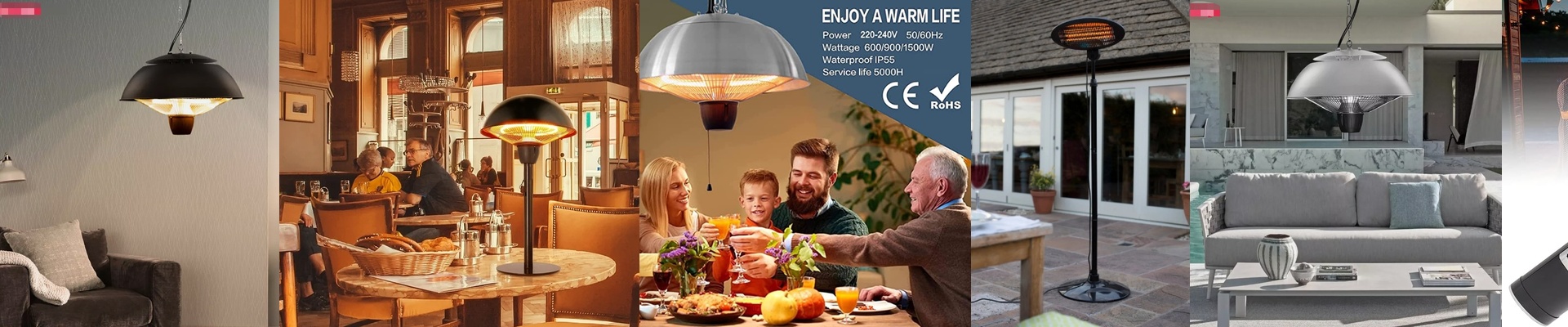


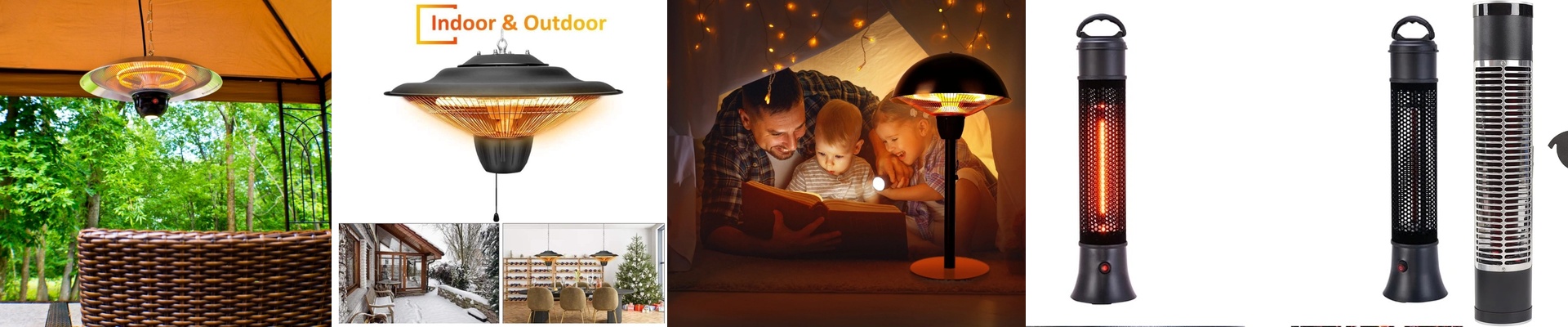

After spending time in 2,000 European homes, one thing became obvious: people want outdoor warmth that feels as immediate and reliable as indoor comfort—direct, controllable, and ready when the weather shifts. We’ve all felt the frustration. Wind robs heat the moment it gusts. Damp air makes the cold bite deeper. And too many heaters aren’t truly built for real outdoor conditions, so you end up trading comfort for practicality.
What matters under the hood
We built this electric patio heater around radiant infrared warmth, pairing a carbon fiber element with a quartz tube. That’s the key: you feel the heat right away, instead of waiting for the surrounding air to warm up. The output is set at 1,500 W—enough for patios and small outdoor rooms—without overthinking it. It runs on a standard 230 V outlet, and setup is straightforward: plug it in and you’re heating. The housing is engineered to be waterproof with an IP55 rating, meaning it’s protected against low-pressure water jets from any direction. So when a shower rolls through, you don’t have to shut the evening down.
Why this approach fits real outdoor living
Outdoor life today doesn’t follow a script. People gather quickly, seats shift around, and evenings stretch because the air feels inviting—not because someone wants to tough it out. Infrared heat shines here because it warms people and surfaces directly, so comfort arrives faster and you aren’t throwing energy at empty space. The waterproof build is what makes that reliability possible. It keeps the heater from folding the second the sky changes, so the night can keep moving. For a lot of households, that translates into more usable hours outside, fewer interruptions, and a more comfortable rhythm from the first drink to the last.
The details that make it work
Because this is an electric outdoor heater, plan on a grounded outlet within reach of the cord. For the best feel, mount it 70–100 cm above seated height and angle it to cover the seating area—no need to try and heat the whole yard. It’s designed for outdoor use, but it performs best in open or semi-enclosed spaces where airflow isn’t aggressive. And here’s the important part: the IP55 waterproof rating handles rain and splashes, but it’s not submersible. Keep the connections dry, and don’t pressure wash the unit.