Carbon Crystal Halogen Heaters: The Industrial Heat You Can Count On
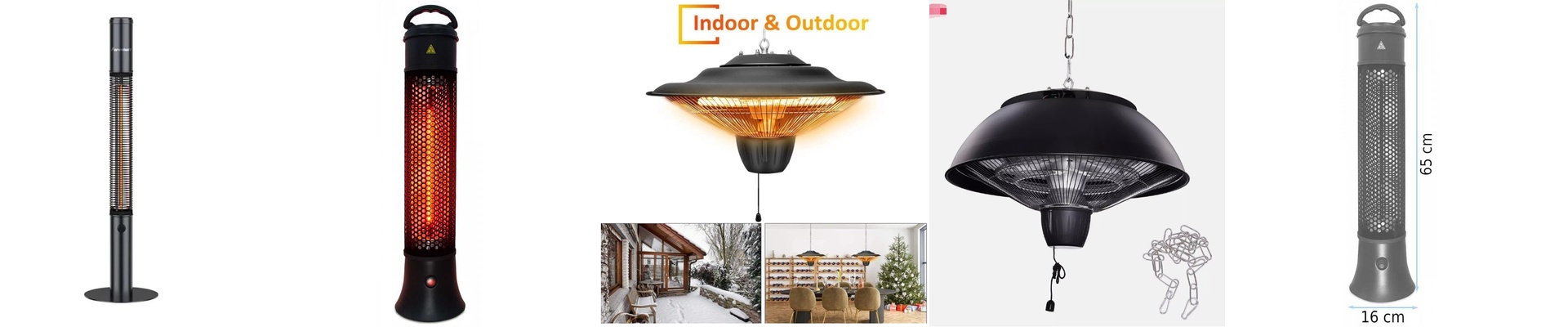
Here’s the thing about industrial heating: sometimes you need heat that shows up and gets straight to work. No waiting around. No fuss. That’s exactly what we built this carbon crystal heater for. It’s a direct-radiant infrared powerhouse, designed for the moments when you need a fast response and tight control. Inside, you’ve got a halogen-filled quartz tube, running on 400V and delivering up to 2500W of heat. The whole unit is around 300mm long. And because it packs so much power into a small space, it’s perfect when your machine footprint is tight.
Power, Voltage, and Size—Straight to the Point
Running on 400V means the heater draws less current for the same wattage. That can make wiring a bit easier—smaller conductors, less stress on contacts compared to 230V setups. And that 2500W rating? It means you get a rapid temperature rise. Hit your setpoint fast, even when your process cycles on and off. The 300mm length wasn’t chosen by accident. It lines up with standard concentrator zones and reflector assemblies, so you can swap it in without redesigning the whole housing. Replacement becomes straightforward.
Built to Stay Consistent, Day After Day
The halogen fill does more than just make the heater work—it helps keep the filament stable and fights against blackening over time. So you get consistent output, even after repeated thermal cycles. The quartz envelope handles high heat without breaking a sweat, and it’s built for quick temperature changes. A reflective coating pushes more energy forward, so more of the heat actually lands where you need it. And the R7s connector? It lines up clean, wires up fast, and holds up through repeated maintenance. No wiggle, no fuss—just a solid connection you can trust.
Where It Shines—And What to Keep in Mind
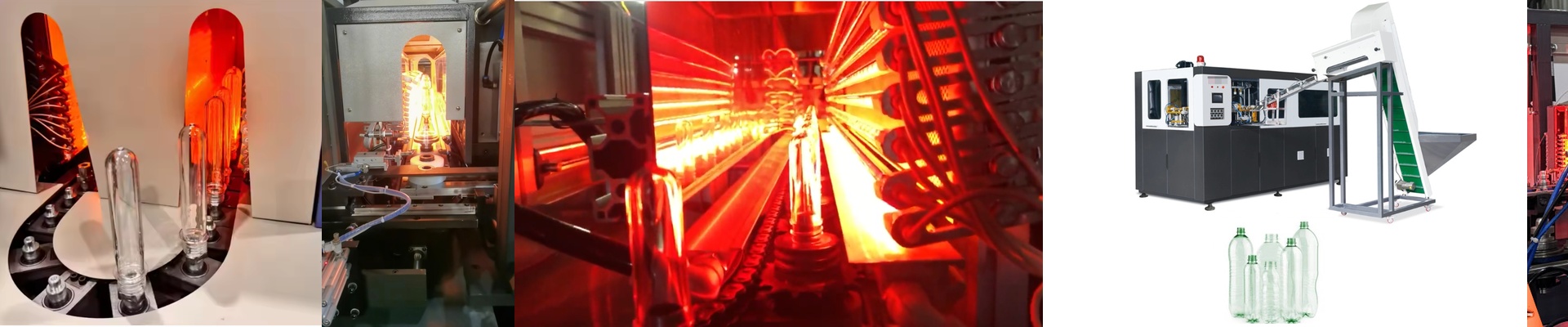
This heater is made for industrial jobs that demand intense, directional heat: plastic processing, coating curing, and other line-of-sight heating tasks. You get fast response and steady output, which feels great when the line is moving and timing is everything. But here’s the part to plan for: the heat is dense. That means the surrounding assembly needs proper cooling to keep ambient temperatures in check and protect nearby components. Handle that, and you’ve got a setup that performs with confidence.