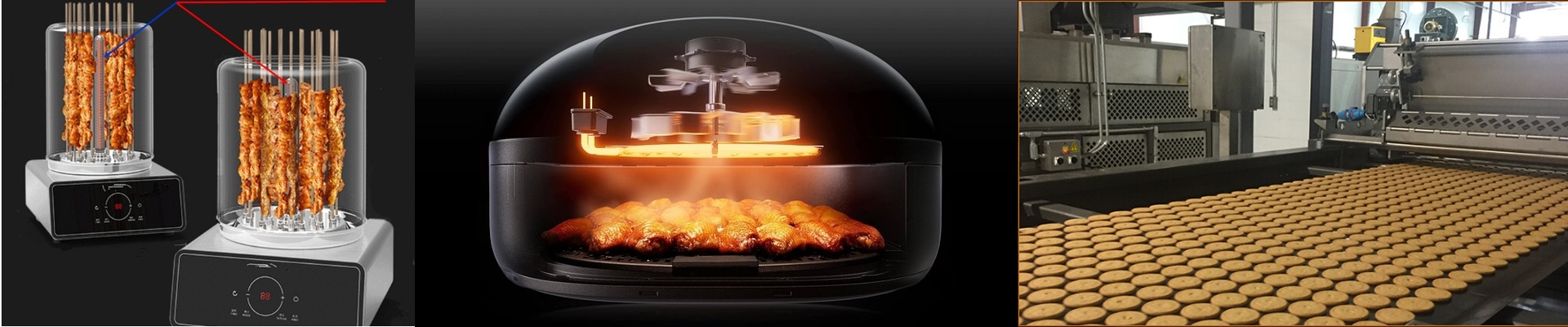
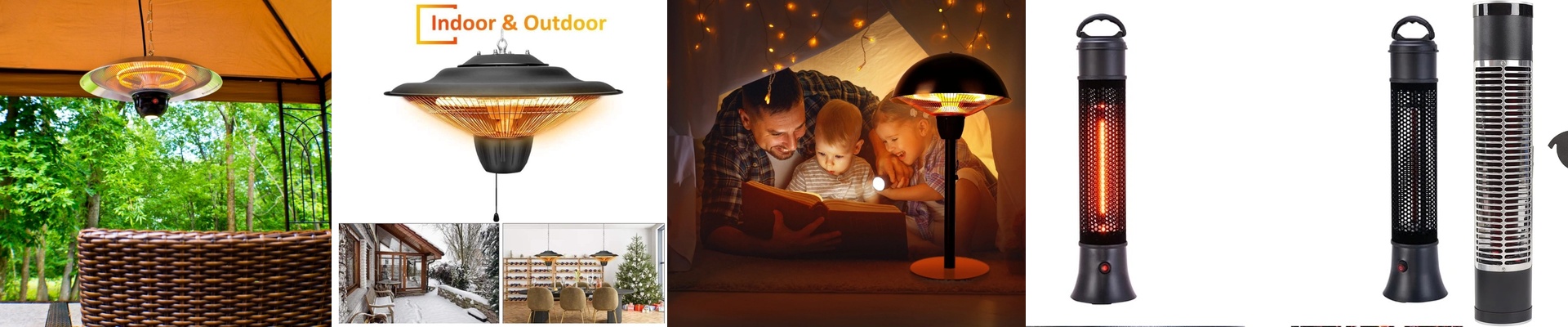
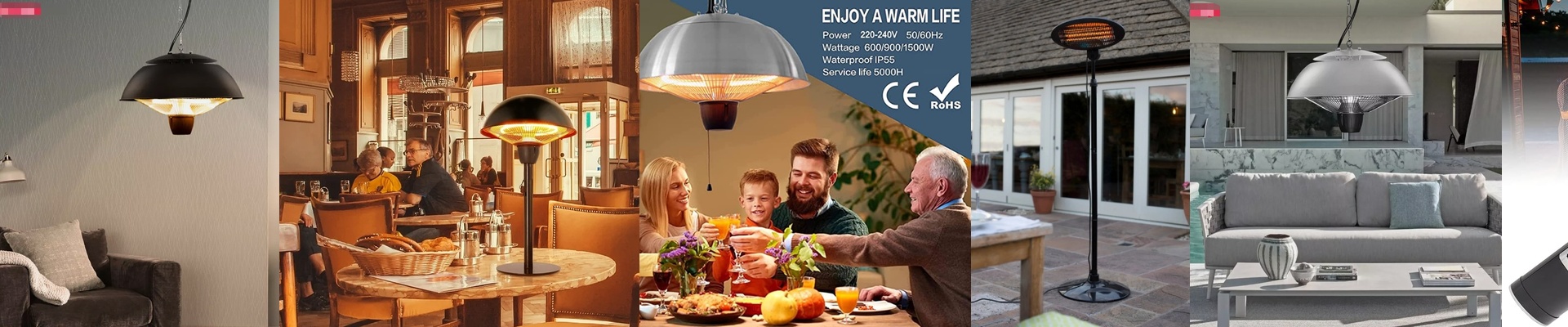
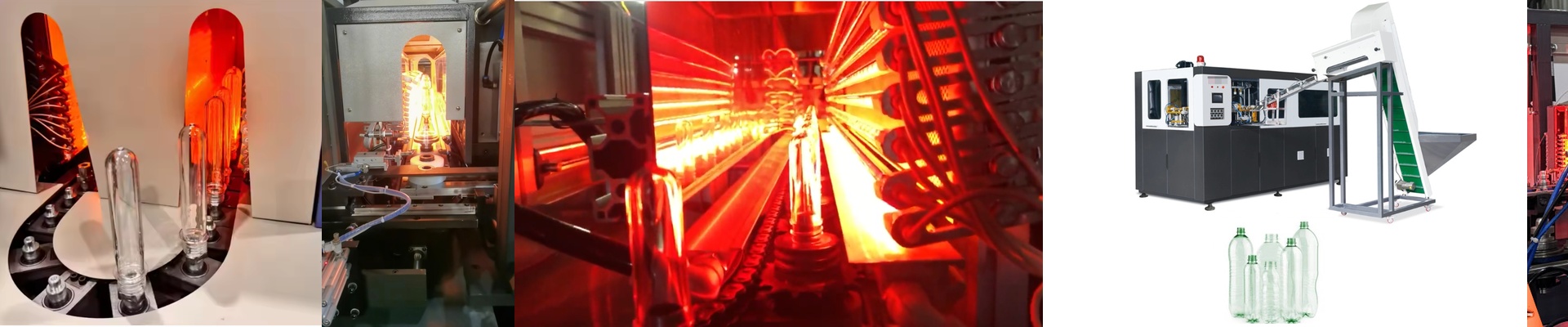
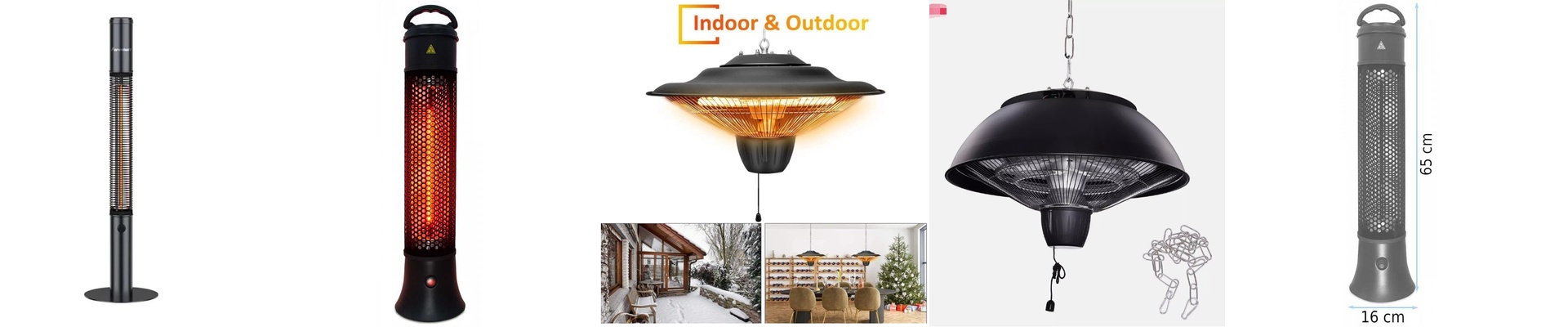
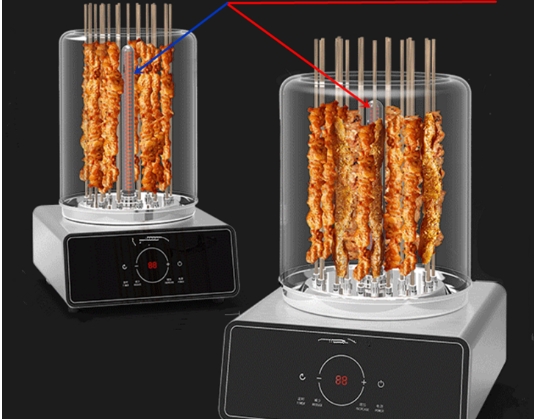
When your food display case has to hold steady through a long service window, the heating element can’t be the weak link. If the bulb can’t hold temperature, you get drift. Moisture builds up. Food looks tired before the next customer even gets close. In a busy shop, that kind of inconsistency bleeds time, labor, and margin.
What matters under the hood
We spec nichrome infrared bulbs for food display and warming because nichrome gives you stable resistance and predictable output—hour after hour. The infrared profile hits surfaces and pans directly, so you maintain holding temperature with less air movement. That means less drying, and better texture retention. Typical builds are 120V or 240V, with wattages matched to the display footprint. We stick to standard mounting and terminal options so swaps are quick. Output stays consistent, and the bulb body is built to handle the thermal cycling you see on a live service line.
Why this is the right fit
In a display case, you don’t want heat that surges. You want heat that holds. These bulbs come up fast, then settle into a repeatable pattern, so thermostat control stays clean. That translates to steady holding temps, fewer dips, and a case that keeps food at the right mouthfeel all through service. When you’re warming over a set, you also get more even coverage across the cavity—fewer hot spots, fewer cold corners. The payoff is fewer plate adjustments, faster turns, and less waste.
The practical details
Installation is straightforward, but these bulbs run hot. Keep clearances to panels and insulation exactly as specified, and make sure the socket and wiring are rated for the wattage and continuous duty. Always handle by the base, not the glass, and double-check you’re matching voltage at the terminal. If your cabinet sees heavy door traffic or drafts, pair the bulb with a well-calibrated thermostat. That’s how you get the most stable holding performance.