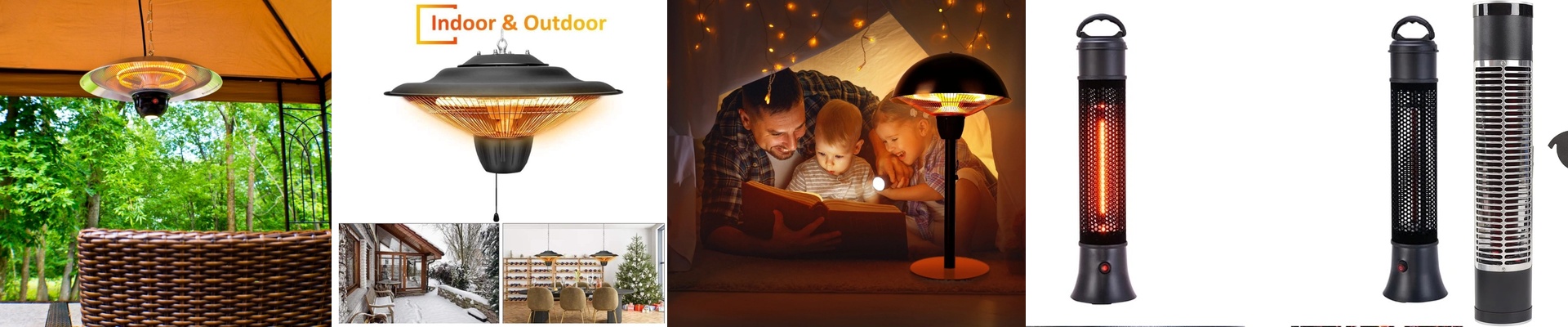
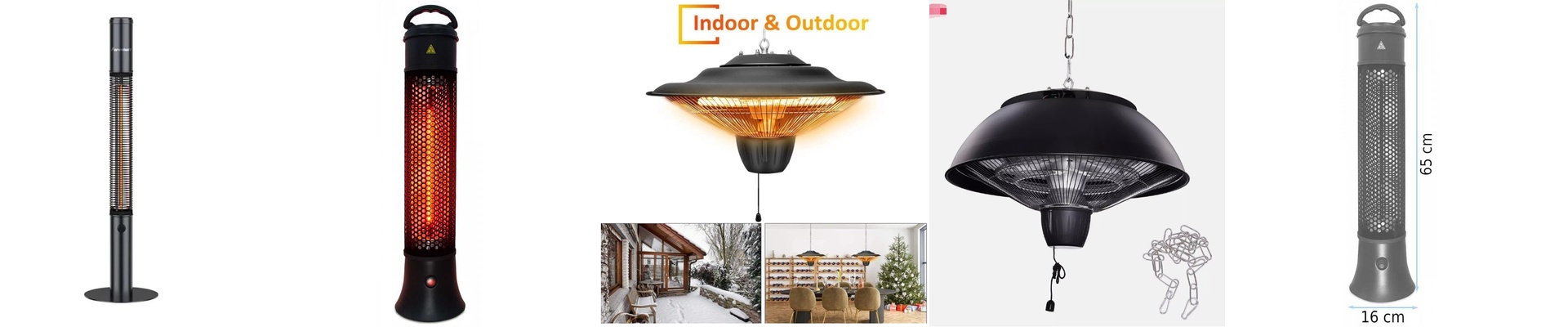
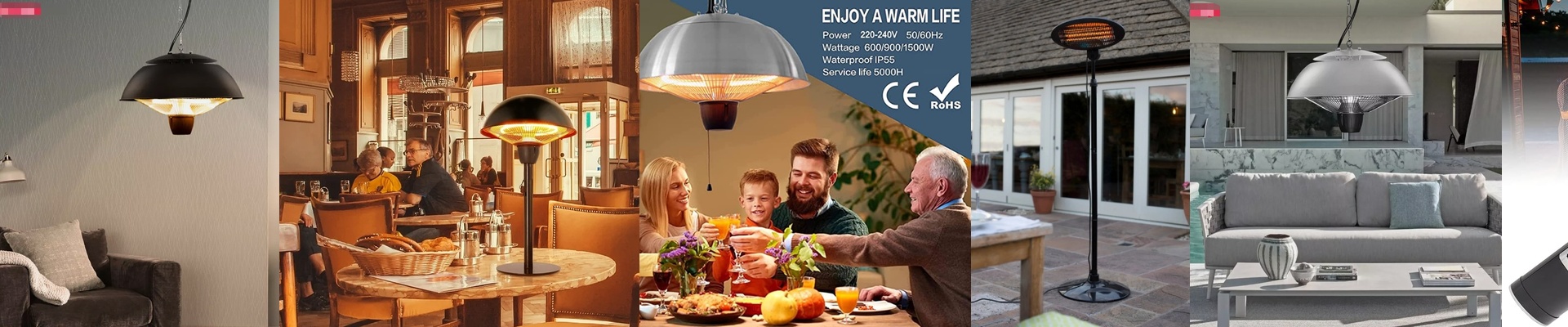
Introduction
Here’s the thing about bathroom heaters: we build them to last, but we also build them for real life. Because stuff will eventually need fixing, and that’s okay. Our infrared bathroom heaters are built around a simple idea—modular parts. The real question is this: when the heating element finally gives up after five years, can you swap it in minutes instead of wasting hours? The answer comes down to the tube and how it connects.
Power, Voltage, and Size—Kept Real
Infrared heat is the kind that warms you directly, not the air around you. That’s the cozy difference you feel. And our units plug into standard mains voltage, so installation doesn’t become a complicated electrical puzzle. We match wattage and tube length to the size of the bathroom, so the surface warms up just right—no straining the system. Shorter tubes mean a smaller footprint, which is perfect when you’re squeezing a heater into a tight ceiling or wall space. But here’s the catch: packing that power into a small space creates a lot of heat. So you have to plan the mounting and clearances early. And the wiring has to match the site—voltage and current decide what wire gauge and breaker you need. Get that right, and the heater just works. Miss it, and you’ll get weak performance or trips.
The Materials and Design—Why It Holds Up
We use a quartz tube because it handles wild temperature swings and delivers infrared efficiently. Inside, the filament is stabilized with a halogen cycle, which helps keep the output steady over time. The tube also has a coating, and it’s not just for looks. It shapes the heat spectrum and shields the element from moisture and cleaning products. That coating is what keeps the heater performing, year after year. For the electrical connection, we stick with standardized connectors like R7s. This two-pin design snaps in securely and carries high current without fuss. No special tools. No crimping. No second-guessing. Just unclip, swap, and re-seat.
What This Means in a Bathroom—Ease, Reliability, and Speed
In bathrooms, reliability isn’t a luxury—it’s a necessity. And when something does go wrong, speed matters. With our modular tube design, maintenance becomes a simple swap. When a tube finally burns out after about five years, the technician pulls the old one and drops in the replacement. The connector clicks into place every time, so wiring mistakes on-site drop dramatically. That means less downtime and lower labor costs. It also means fewer spare parts to track, because one tube fits multiple models. Now, there is a trade-off: the module runs hot. So the housing and mounting setup have to be designed to handle that heat. Plan for enough clearance and ventilation, and you’re set. Do that, and the modular infrared heater becomes the kind of bathroom solution that just keeps going—quiet, dependable, and easy to service when you need it.