Getting to the Heart of the Machine: Power and Control
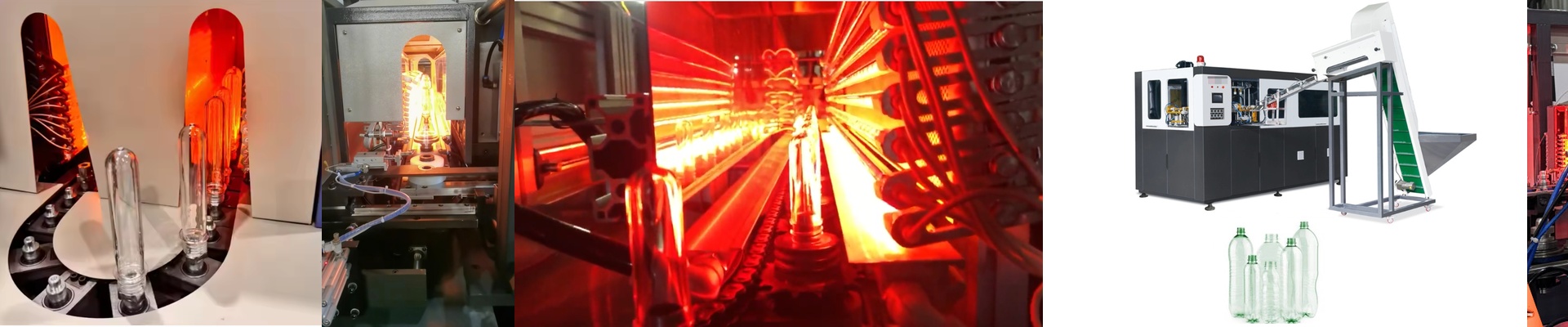
Let’s talk about what makes an automated kitchen really hum. That deck oven infrared heater? It’s not just some box that gets hot. It’s a precision tool—a controllable part of the system that you can command. We build our units to run on 400V high-voltage for a reason. That power level gives you the kind of fast, intense heat you need, all while keeping the current steady and predictable. We’re talking about a 2500W rating packed into a 300mm halogen tube. That’s a lot of energy in a small space, which means it heats up almost instantly. And when the PLC sends a signal, it responds right away. No waiting around. This setup is what gives you that fine control over temperature. The system is constantly measuring, adjusting, and correcting in real time. Forget the lag you get with those bigger, bulkier convection elements. This is a whole different level of responsiveness.
The Materials That Make It Work
Here’s why we stick with halogen-filled quartz tubes. They keep the filament stable, even when things are cranked up, and they don’t lose output over time. The shortwave energy delivers a direct, radiant heat that blasts through toppings and dough, getting that perfect brown on the surface way faster. And the R7s connector? That was a deliberate choice. It gives you a secure, perfectly aligned connection that just stays put, even after countless heating and cooling cycles. You wire it in once, and you can trust it. No more worrying about things coming loose. The whole build is tough enough to handle the grease, the steam, and the thermal shock of a busy commercial oven.
The Real-World Trade-offs
In a busy, automated kitchen, everything has to move together. The IR heater, the conveyors, the doors, the sensors—they all need to be in sync. Our 300mm, 2500W, 400V configuration gives you the heat density needed for consistent performance, and the R7s mounting makes replacement a simple, drop-in job. But here’s the thing you’ve got to plan for: that kind of power generates a lot of heat. You absolutely need a properly designed cooling and ventilation system to keep the surrounding air from getting too hot and to protect the electronics nearby. When you’re laying out the machine, make sure you leave enough room for the heat to go somewhere. Otherwise, you might end up cooking the control panel instead of the food.