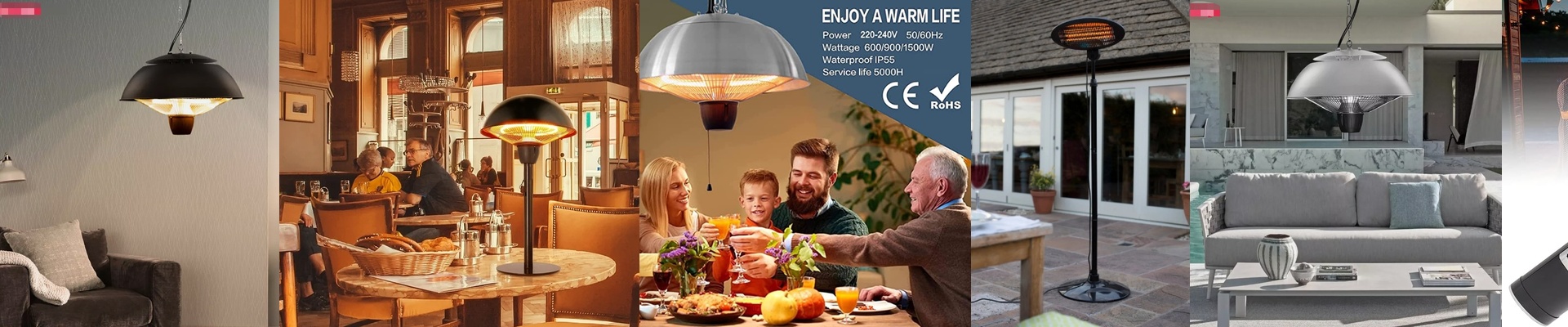
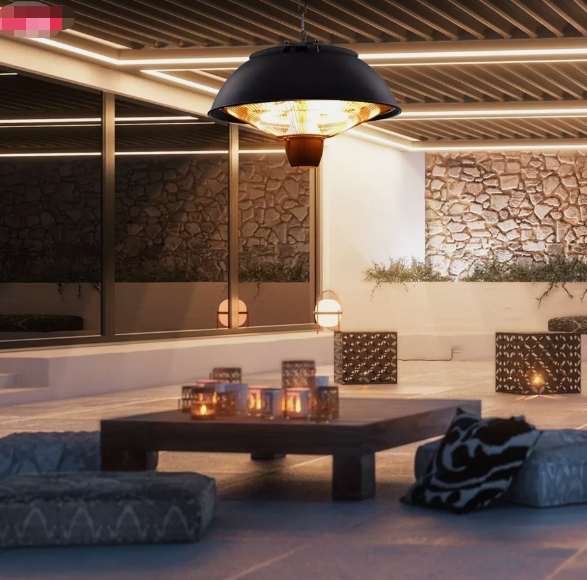
Why Ceiling-Mounted Infrared Heaters Actually Work
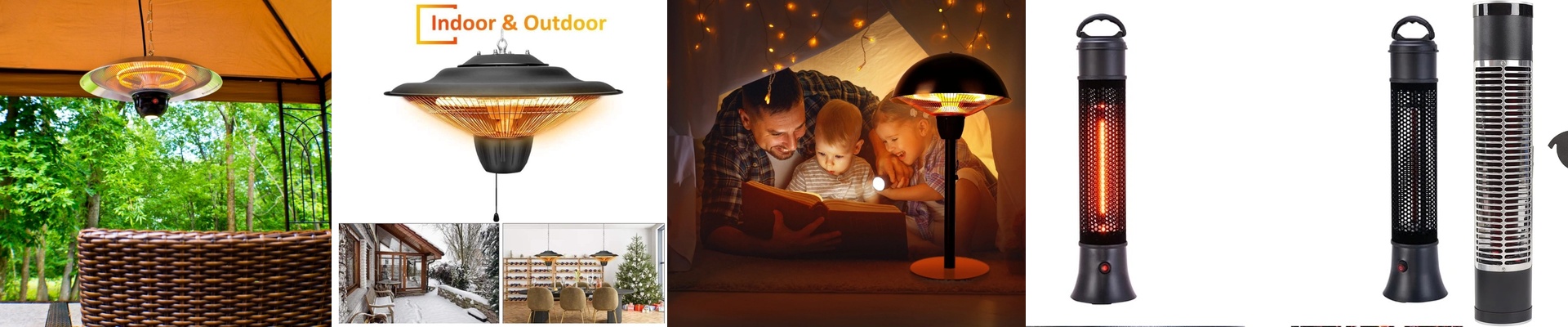
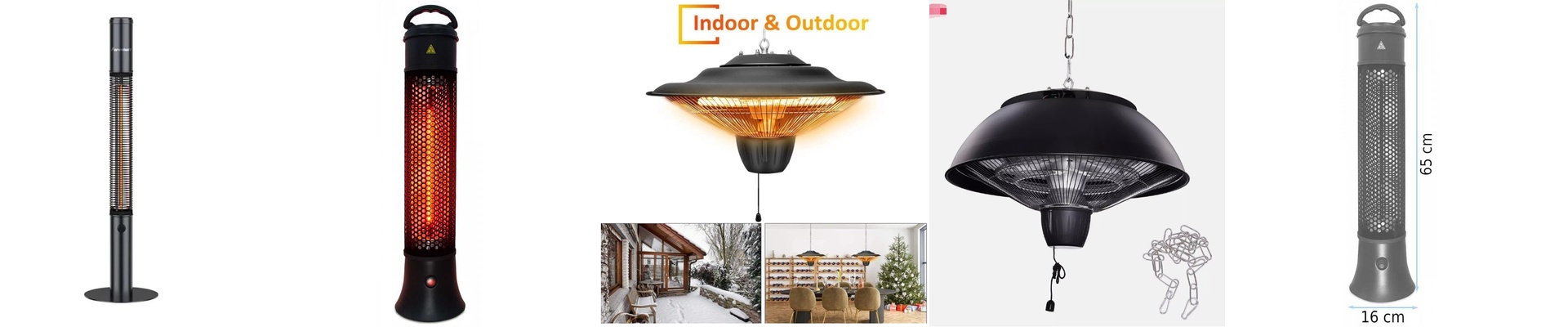
If you’ve ever stepped into a changing room in the middle of winter, you know the feeling. It’s freezing. Why? Because those rooms are basically wind tunnels with open doors and constant air movement. Standard heaters just don’t cut it here. They try to warm up the air, but since heat rises, that warmth just floats to the ceiling or drifts right out the door before it ever hits you. That’s why we go with ceiling-mounted infrared. Instead of fighting the air, these units just ignore it. They send out radiation that warms up solid things—like the floor and, more importantly, the people standing on it. Warmth, instantly There is nothing worse than waiting ten minutes for a heater to “kick in.” With short-wave infrared, that wait doesn’t exist. It’s practically instant. The lamps hit their peak temperature in seconds. By mounting them in the ceiling, we create a downward cone of heat. It feels exactly like stepping into a patch of sunlight on a cold day. The second you walk under the emitter, you feel it. The gear under the hood We don’t mess around with the hardware. We use quartz glass tubes filled with halogen gas. This keeps the filaments screaming hot without burning them out too quickly. To make sure that heat actually goes down (and not sideways), we use polished aluminum or gold-coated reflectors. As for the power, most of these run on 220V-240V. But if we’re dealing with a massive array of heaters over a long distance, we’ll bump it up to 400V to keep the current stable. The catch (and how to fix it) Now, here’s the thing: infrared is powerful, but it’s precise. You’ll feel a blast of heat directly under the lamp, but if you take two steps to the side, it drops off fast. If you just slap these on the ceiling without a plan, you’ll end up with “hot spots” where people feel scorched, while other corners stay chilly. The trick is in the mapping. You have to space them out carefully. We also like to add motion sensors or dimmers. That way, the heaters only blast at full power when someone is actually in the room, which keeps things comfortable and saves on the electric bill.