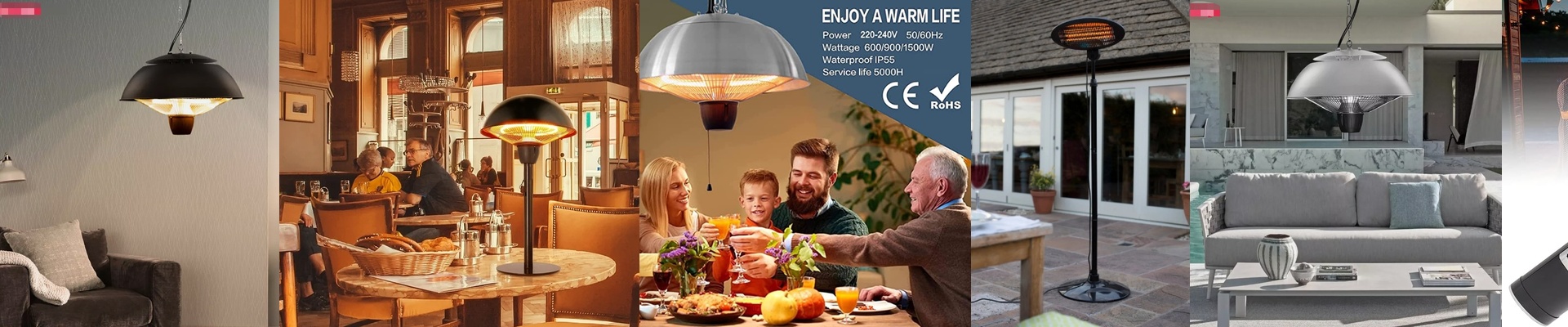
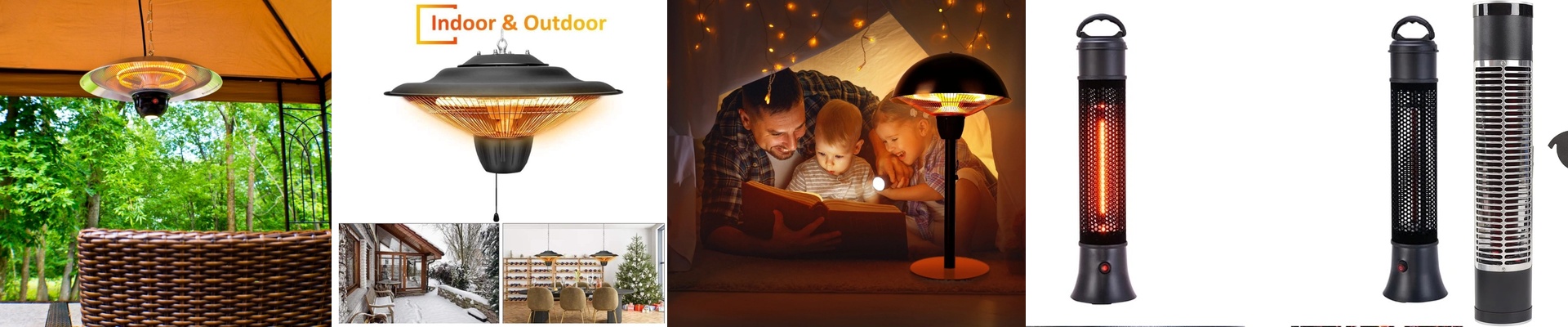
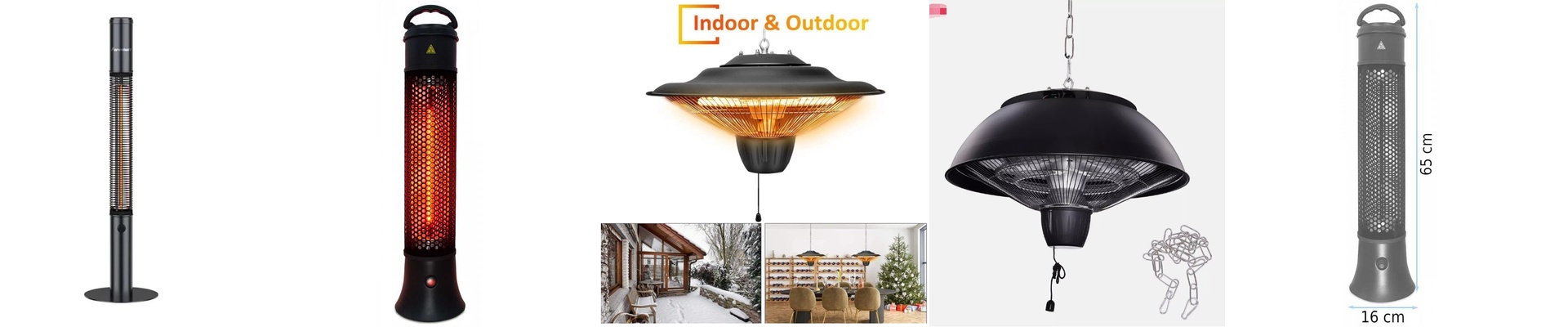
Ever notice how an infrared heater keeps the warmth hanging around even after it shuts off? Not your imagination—just physics doing its thing. Conventional heaters push warm air around. We lean on high-power electric infrared, delivering radiant heat that goes straight to people, floors, walls, and furniture. Those surfaces hold the heat and slowly release it back into the room.
What’s actually happening under the hood
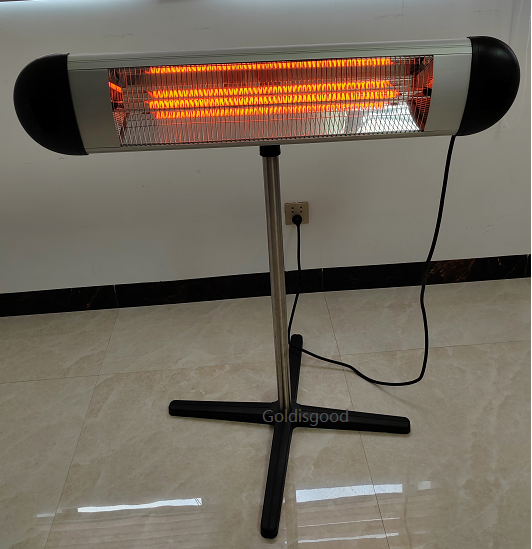
Inside, you’ve got a high-efficiency carbon fiber element sealed inside a quartz tube, tuned for short-wave infrared. It throws focused heat the moment it’s on—up to 1500W—without trying to warm the air. You feel that directional warmth immediately. And because the energy gets absorbed by solid objects, the room holds onto heat longer after the heater cycles down. Basically, your space becomes a passive reservoir.
Why this matters in real rooms
Comfort isn’t just about a number on a thermostat. It’s about steady, even feel—especially in living rooms, workshops, or covered patios. With radiant heat, you get fewer drafts, less dry air, and a consistent vibe even when the thermostat cycles. Surfaces hold warmth, so the heater doesn’t have to cycle on and off as much. That can help keep energy use in check, and it translates to a more relaxing space that stays cozy between cycles.
The practical details
Infrared heating shines in well-insulated, enclosed areas. In very open spaces, heat retention drops, so match output to room size. Installation is straightforward: plug into a dedicated 120V outlet, or hardwire per local code. Place the unit so it has a clear line of sight to the people and objects you want to warm. Always follow clearance requirements, and use the built-in tip-over protection for peace of mind.