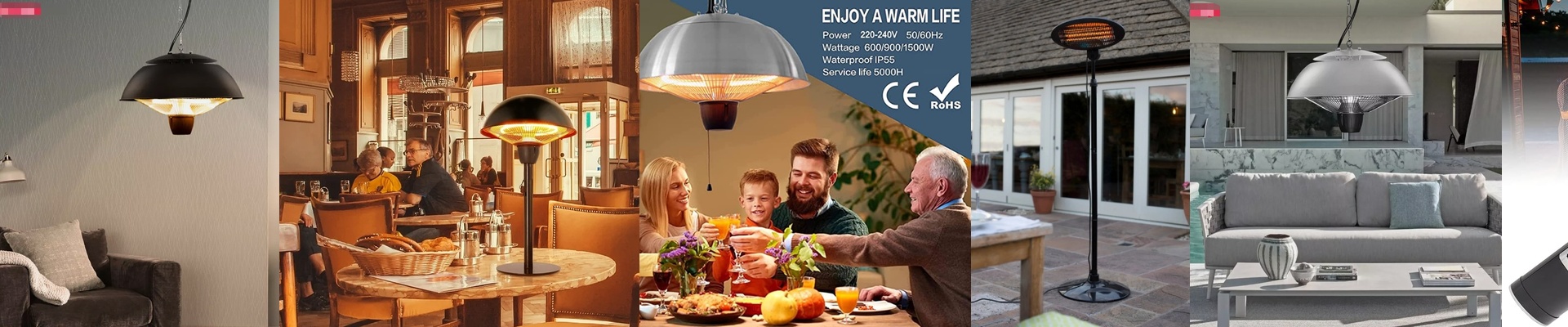
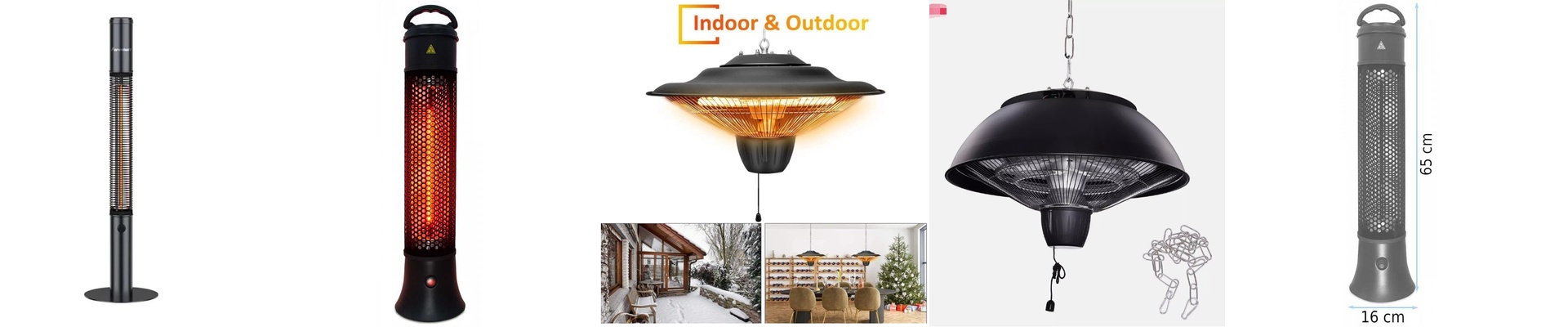
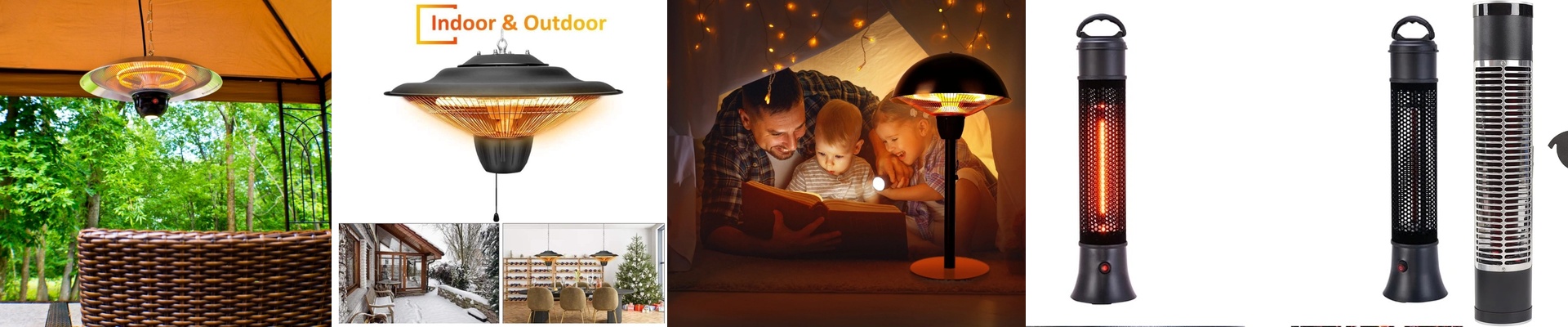

Cold floors and drafty corners have a way of making a house feel less like home. Forced-air systems keep cycling on and off, leaving some rooms uneven and you reaching for another layer. Baseboard heaters change that. They deliver steady infrared warmth that starts at the floor and spreads outward, so comfort lands right where you live.
What matters, technically
Baseboard heaters run on radiant heat, warming people and surfaces directly instead of pushing air around. In practice, you get less dust stirred up and fewer hot/cold swings. Most electric baseboard units have a built-in thermostat, so you can control each room independently, and they’re designed for standard 120V or 240V household circuits. Installations usually go under windows, where cold air falls, so the heater can knock out drafts right at the source. The heating element is built for long, steady output—many units are rated for 5,000+ hours with minimal output drop, so you can count on dependable warmth season after season.
Why this makes sense at home
Comfort isn’t just about what the thermometer says. Baseboard heaters do well in living rooms, bedrooms, and hallways—places where you want even warmth without noise. Because heat rises gently from the floor, you get that cozy, “warm-from-within” feel that makes reading, relaxing, or sleeping easier. If you want zoned heating, each unit can be controlled on its own. That helps you avoid heating unused spaces and keeps energy use aligned with how the house actually runs.
The things to keep straight
Baseboard heaters need clear airflow, so keep furniture, curtains, and rugs at the recommended clearance. They perform best in well-insulated rooms, and they need a properly rated circuit. An electrician can confirm the wiring, breaker size, and whether you need a dedicated circuit. The warmth feels natural, but the outer surface does get warm. Plan placement carefully in high-traffic areas, and keep safety in mind around children and pets.