
Why We Use Infrared for Reheating
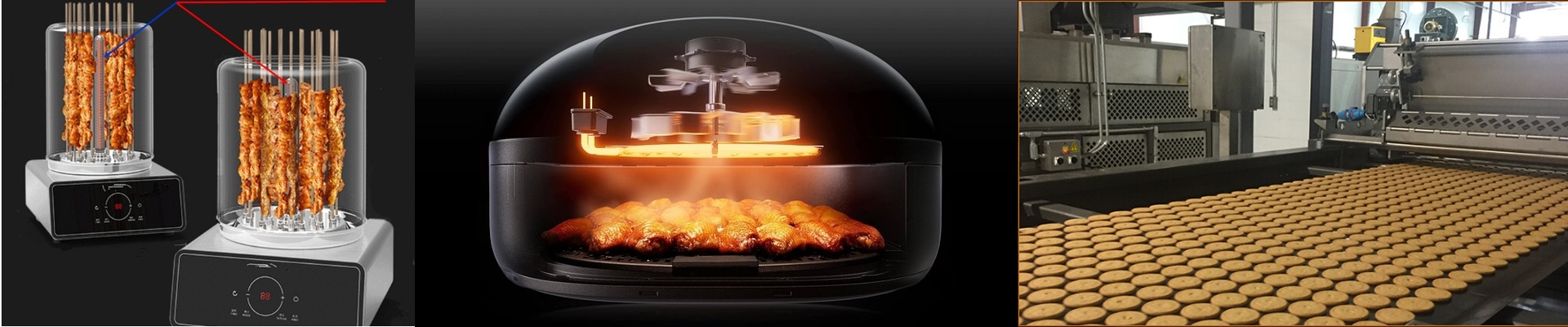
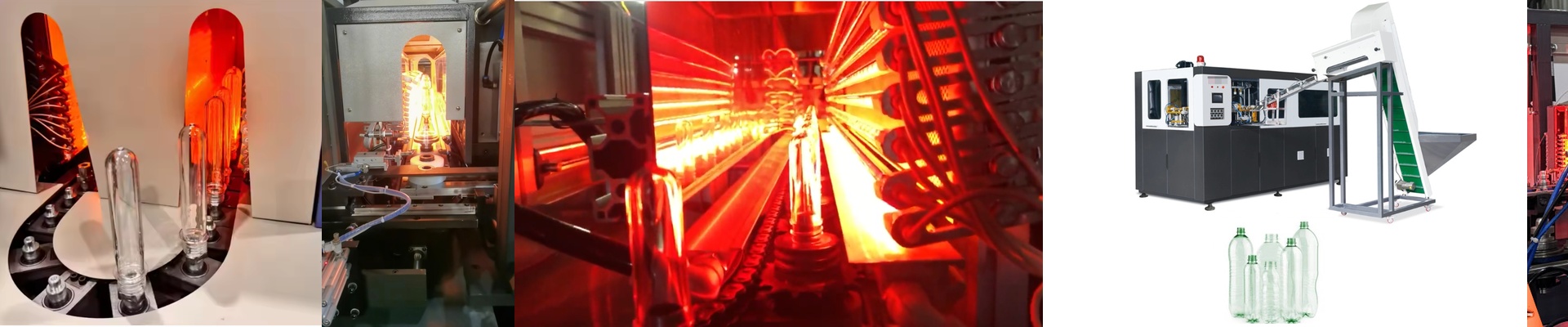
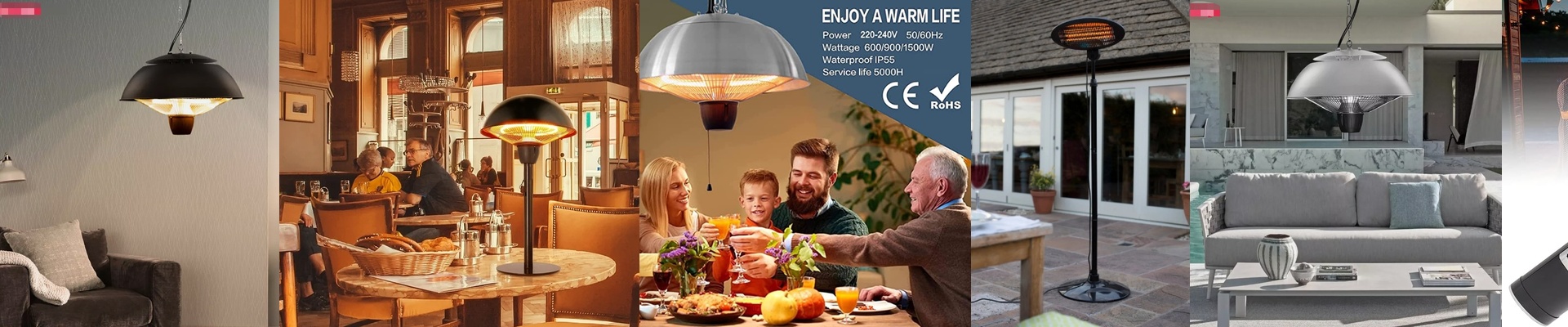
Most convection ovens work by heating up the air, which then heats the food. It’s a slow process, and honestly, it wastes a ton of power. We do things differently. Instead of messing around with the air, we use infrared (IR) thermal elements. These send energy straight to the food. It’s a much cleaner, smarter way to build a kitchen. The magic of direct heat Standard heating coils are patient—too patient. They sit there waiting for the entire oven cavity to hit a certain temperature before they’re actually useful. IR is the opposite. It hits the target instantly. By using short-wave or medium-wave emitters, we can focus the energy right on the surface of the food. It’s fast. Really fast. And that changes everything for your energy bill because you’re using fewer kilowatt-hours per cycle. Plus, your kitchen stays cooler, which means your AC doesn’t have to work overtime just because the oven is on. The nuts and bolts Under the hood, we usually go with high-purity quartz tubes and tungsten filaments. We use quartz because it lets the IR radiation slide right through without soaking up the heat. For reheating, we often fill those tubes with halogen gas. It keeps the filaments from burning out too quickly and keeps the heat steady. One quick tip if you’re building these: keep an eye on your voltage drop. When you’re wiring up a high-wattage array, make sure your connectors can actually handle the peak current. Otherwise, you’re looking at burnt-out terminals, which is a headache nobody wants. Making it sustainable The real win here is getting rid of that “warm-up” window. In a professional kitchen, idling a massive oven for 30 minutes before the first tray goes in is just throwing money away. With IR, you flip the switch and you’re at operating temperature in seconds. But here’s the catch: IR is directional. It’s like a flashlight; it hits what it’s pointed at. If you pile your food too high, the top will be perfectly seared while the bottom is still cold. To fix that, we pair the elements with a convection fan. It pushes that radiant heat around so you don’t end up with any cold spots.