
Why You Can’t Just Put Any Heater in a Wet Zone
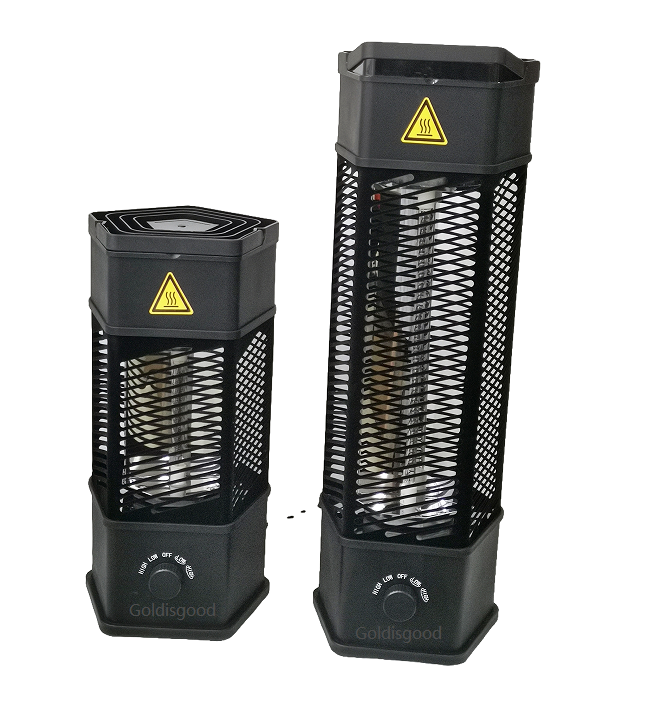
Putting a heater in a bathroom or an outdoor shower is a bit of a gamble if you’re using the wrong gear. You’ve got steam everywhere and water splashing just about every surface. Standard infrared lamps? They just won’t cut it here. That’s why we stick with IP65-rated housings and explosion-proof quartz tubes. It’s the only way to make sure you don’t end up with a short circuit or, worse, shattered glass. The deal with “explosion-proof” quartz Here’s the thing: standard quartz tubes hate cold water. If you hit a red-hot lamp with a cold splash, it can crack instantly. We call that thermal shock. We use explosion-proof quartz because it actually handles those wild temperature swings. It stays solid and safe, even when the outside is drenched and the inside is running at full blast. Keeping the water out You’ll see “IP65” on the spec sheet. In plain English, that just means the box is dust-tight and can handle a jet of water without leaking. Steam is sneaky. It finds every tiny gap it can. We seal the wiring junctions and the tube mounts tight so moisture never touches the electrical contacts. Because if water hits a live terminal, you’ve got a major problem on your hands. The seal keeps everything dry and boring—which is exactly how you want your electronics to be. The trade-off These heaters are great because they give you that instant, cozy warmth without having to heat up the entire room’s air. But there’s a catch. Since the IP65 box is sealed tight, high-wattage tubes can trap a lot of heat around the internal wiring. You have to be careful with your wiring gauge. If you don’t account for that “heat soak” inside the housing, your insulation will start to degrade over time. Real-world installation When you’re wiring these up, double-check your seals. Make sure the gaskets are sitting completely flush. If one is loose, your IP65 rating is basically gone. We build these for high-humidity spots where safety isn’t something you want to compromise on. It’s the last line of defense between your customer and a high-voltage disaster.