Getting Heat Where You Need It, Right Now
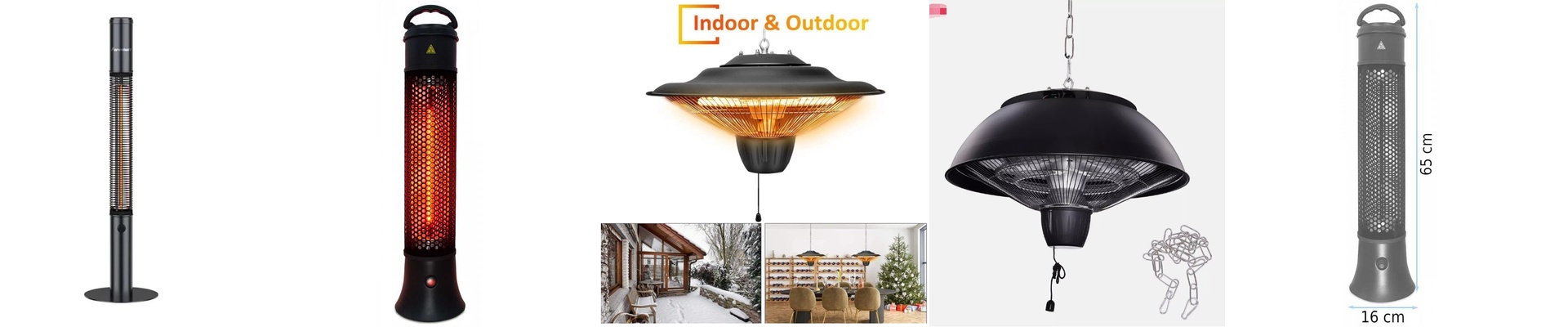
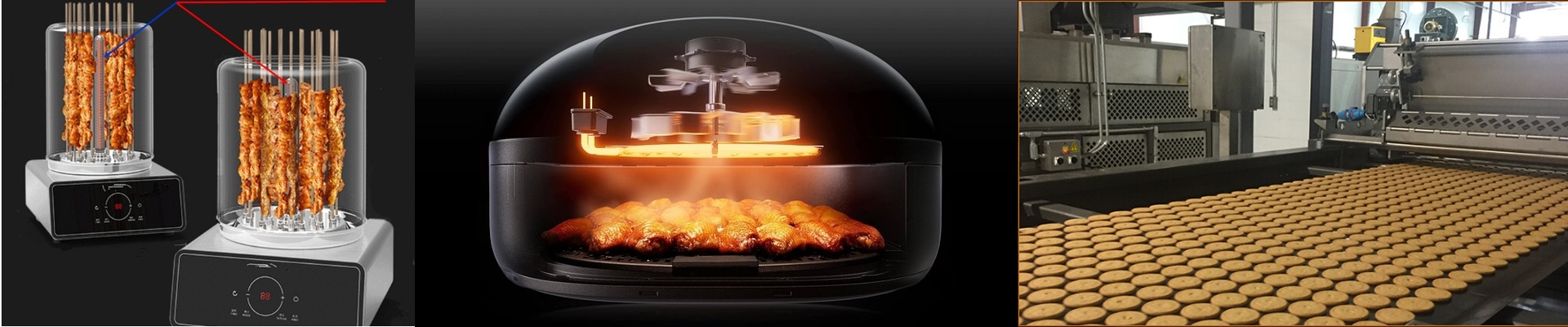
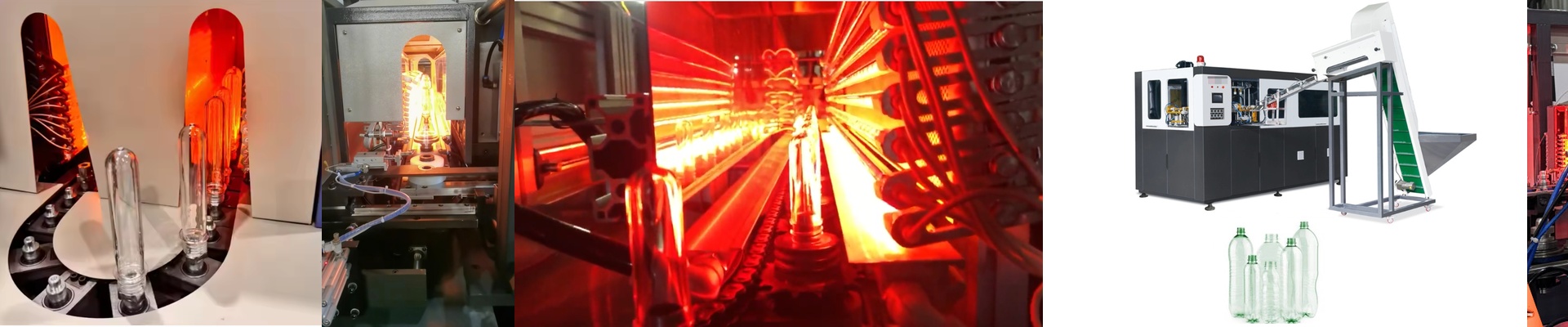
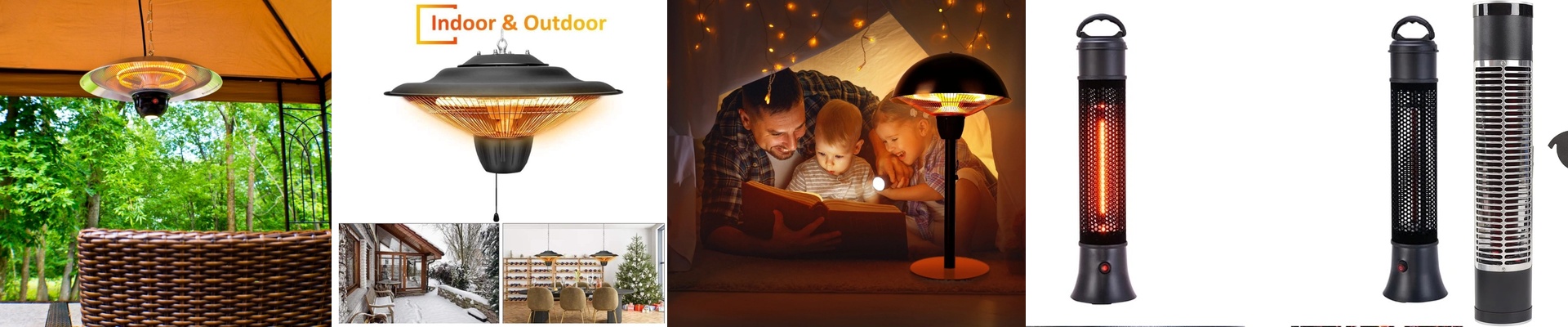
Think about a kitchen oven. When you hit that switch, you don’t want to sit around waiting for a heavy metal rod to slowly glow red. You need heat, and you need it instantly. That’s why we go with single-tube quartz infrared lamps. Instead of relying on a bulky piece of metal that takes forever to warm up, these tubes use short-wave radiation. It’s a different kind of speed. Why it actually works The secret is keeping things light. We’ve stripped away the “thermal inertia”—which is just a fancy way of saying we stopped the heat from getting stuck in the hardware. The tungsten filament inside the quartz gets screaming hot the second you flip the switch. Since quartz doesn’t soak up heat, the energy doesn’t waste time warming up the tube walls. It just shoots straight onto the food. You can flick the power on and off as fast as you want. No waiting for things to “warm up” or “cool down.” It just happens. Dealing with the wear and tear Now, if you’re switching power on and off that often, cheap filaments usually just give up and snap. It’s a lot of stress on the wire. To fix that, we tweaked the halogen gas pressure inside the tube. This creates a little cycle that actually puts evaporated tungsten back onto the filament while it’s working. It keeps the wire thick and strong, so it can handle those rapid shocks without breaking. The practical side of things These tubes are small, which is great because they fit into tight oven cavities without a struggle. Plus, the control is incredibly precise. There’s basically zero lag between the controller sending a signal and the heat hitting the target. But here is a heads-up: this kind of power puts a lot of pressure on your connectors. If your wiring is too thin or your contacts are a bit loose, that high current will chew through them. You’ll see pitting or even melting at the terminals. Just make sure your sockets are rated for the actual wattage of the tube. It’s a small detail, but it’s the difference between a lamp that lasts and one that fails at the connection point.