Stop Letting Your Heating Tubes Slow Down Your Line
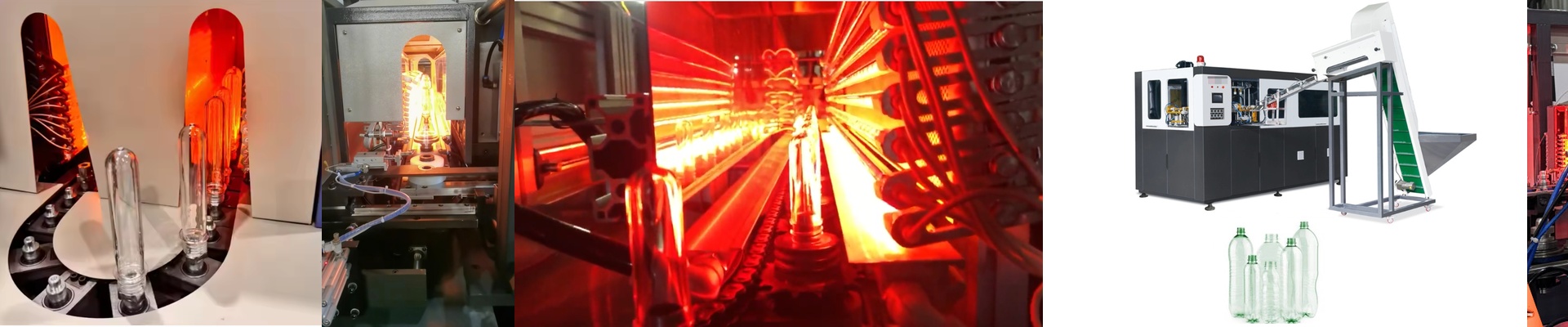
Let’s be honest: standard heating tubes are fine for basic jobs. But when you’re running a high-speed production line—especially in a steam oven—those generic parts usually become the biggest headache in the room. You want to tighten up your cycle times. You want things moving faster. But you can’t, because the heat just isn’t hitting the product fast enough. You end up slowing down the whole conveyor just to make sure the core temperature is right. It’s frustrating. It’s a bottleneck. That’s where custom infrared (IR) modules come in.
Why “Off-the-Shelf” Usually Fails
Here is the thing about standard elements: they have a fixed watt density. They just put out what they put out. But every material is different. Some soak up heat; others fight it. We fix this by tweaking the wavelength. Whether we go with short-wave or medium-wave depends entirely on what you’re heating. When the wavelength matches your material, the heat doesn’t just sit on the surface—it dives deep and works fast.
How We Actually Build Them
We don’t just change the length of the tube and call it a day. We look at the power density. By packing the wattage into a smaller footprint, we create “hot zones.” This triggers a much faster thermal response. It’s the difference between a warm breeze and a focused beam of heat. We also get picky about the details: *The Reflectors: We shape these so you don’t end up with those annoying cold spots. *The Load: We balance the wattage so one part of the tube isn’t screaming while another is barely idling. This keeps the tubes from burning out prematurely. *The Brains: We pair everything with fast-acting PID controllers. This stops the temperature from overshooting and ruining your product.
One Thing to Watch Out For
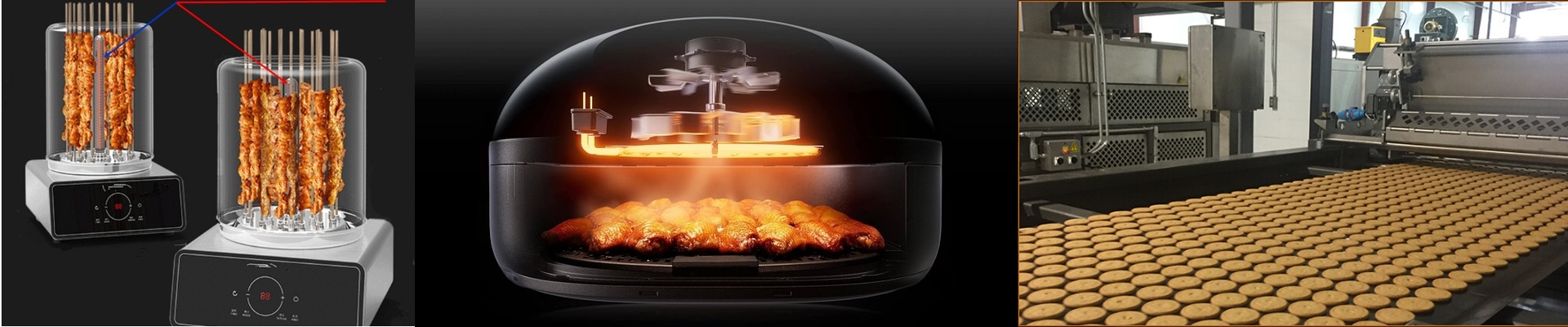
Now, there is a catch. These high-density modules dump a massive amount of energy into your workpiece. That’s great for your throughput, but it makes the oven chassis get hot. Really hot. You can’t just swap these in and walk away. You’ve got to make sure your cooling fans or heat sinks can actually handle the extra load. If your ventilation is weak, you’re just going to trip the thermal cut-offs and shut the whole line down. But once you get the cooling right? Your heating stage stops being the problem and starts being the engine that drives the whole process. You get the heat exactly where it needs to be, right when it needs to be there.