Getting Your Heat Right in Rotary Infrared Ovens
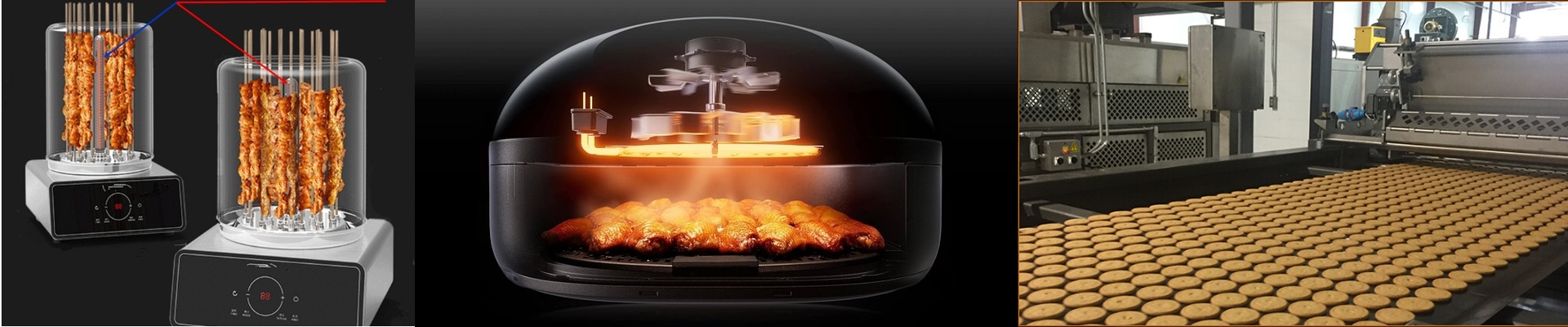
Ever had a batch of product come out looking great on the outside, but it’s practically raw in the middle? Or maybe some spots are burnt while others are barely toasted. It happens to the best of us. Usually, it’s because basic thermostats just can’t keep up when things are moving. In a rotary oven, your product is on the move, passing through different heat zones. If your heaters are slow to react, you’re going to have a bad time. That’s why we lean on Nichrome-based infrared lamps.
Why Nichrome Actually Works
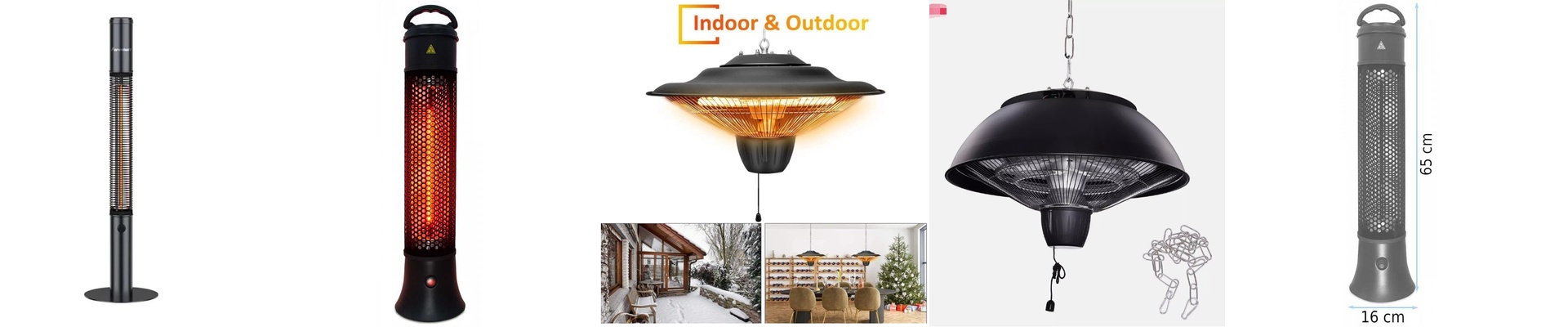
There’s a reason Nichrome (Nickel-Chromium) is the old reliable of the industry. It doesn’t freak out or oxidize when things get scorching hot, and it keeps its electrical resistance steady. But the real magic is the short-wave infrared radiation. Instead of just heating up the air and hoping for the best, this heat punches straight through the surface of the food. It’s direct. It’s fast. You have to be obsessive about voltage and wattage here. If a lamp starts drifting, you get “cold spots” in your rotation. It ruins the consistency. We spec our lamps to ramp up and cool down in a heartbeat, which lets the PID controller make those tiny, millisecond tweaks to the power load.
The Balancing Act: Heat and Wear
You can’t just crank the power and call it a day. If the heat density is too high, you’ll scorch the skin before the core even knows it’s in an oven. We spend a lot of time balancing the Nichrome wire gauge so the thermal footprint is smooth and even across the whole tube. Keep in mind, these lamps live a hard life. They’re constantly heating up and cooling down. We use high-purity quartz glass to stop them from clouding over too quickly, but they still wear out. After a few thousand hours, you’ll notice the light dimming. When that happens, your cycle times will start to creep up. It’s just the nature of the beast.
A Few Warnings
High-precision infrared isn’t some magic “plug-and-play” fix. These things put out an incredible amount of localized heat. If you try to speed up production by pushing more wattage, make sure your chassis and wiring can actually handle the load. If your housing doesn’t breathe, you’re just going to burn out your lamps early. And for heaven’s sake, use high-temp leads. Otherwise, you’ll be looking at melted insulation and a very bad afternoon.