Getting Your Bread to Brown Evenly in Rotary Ovens
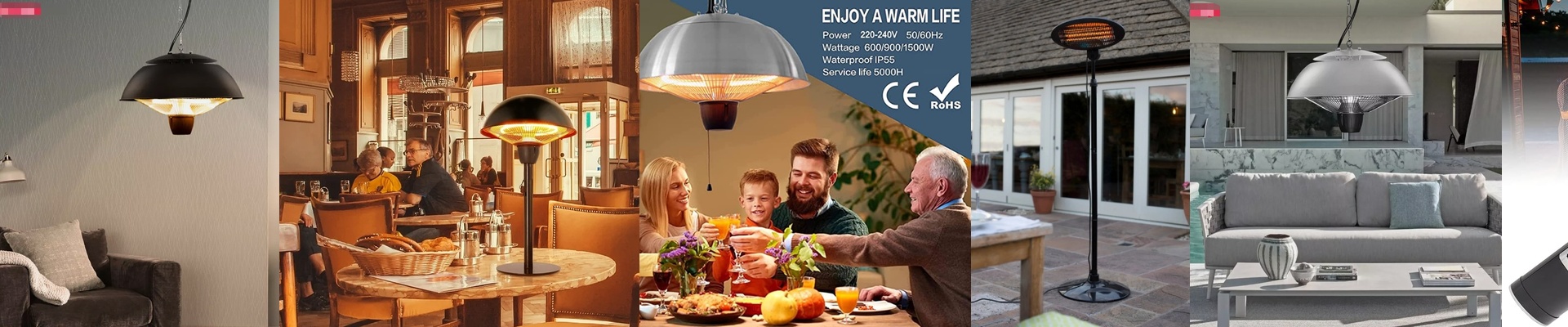
Rotary ovens are great, but let’s be honest: they aren’t perfect. Even with the rack spinning, you still get those annoying temperature gaps. That’s why we bring in infrared (IR) heating lamps. Think of them as the “gap fillers” for when standard convection just isn’t cutting it. By placing these lamps in a smart layout, you can finally kill off those cold spots and get a crust that looks the same on every single loaf.
How We Get Full Coverage
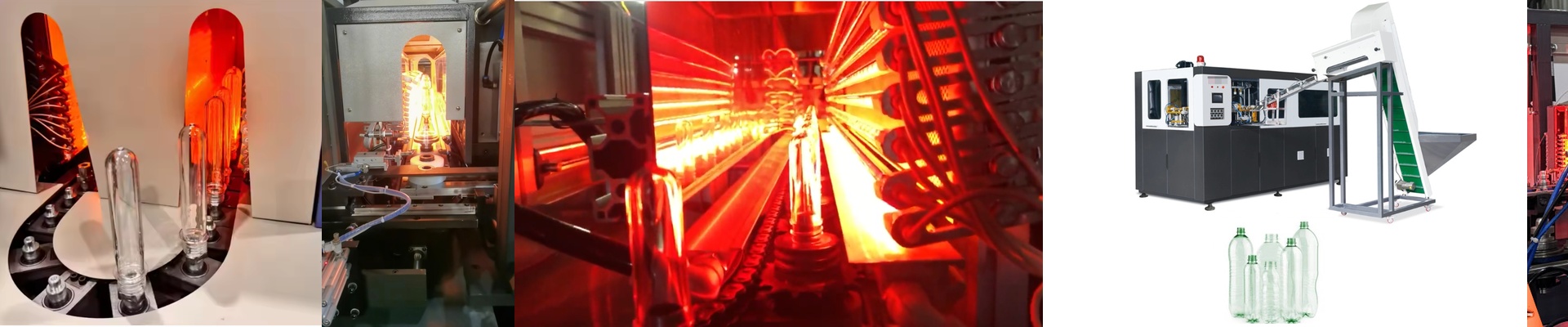
If you want to avoid “dead zones,” you can’t just throw one heat source in there and hope for the best. We use a setup of short-wave quartz lamps, tucked both above and below the rotating carriage. Here’s the thing: short-wave radiation hits the dough fast. As the rack spins, the bread moves through a heat field we’ve already mapped out. Between the constant motion and the punch of the IR lamps, every loaf hits that peak temperature it needs. No more guessing.
The Gear and the Setup
We stick with quartz glass tubes and tungsten filaments. Why? Because kitchens are brutal. They’re humid, messy, and hot. These lamps are built to take that kind of beating. One tip: get your wattage right for the size of your oven. If you go too low, you’re looking at longer bake times and—the worst part—soggy bottoms. And when it comes to wiring, we keep it simple. We use industrial connectors so that when a lamp eventually burns out (and they will), you can just pop a new one in and keep moving. Just a heads-up: don’t try to cheat your production time by cranking the wattage too high. If your insulation and vents aren’t built for that extra heat, you might actually warp the oven frame. Not a great look.
The Trade-offs
IR is fast. Seriously fast. Much faster than just moving hot air. But there’s a catch: it only works if the lamp can “see” the bread. If you cram your trays too full, the loaves in the middle get shielded. You end up with “shadowing,” where the edges are perfectly charred but the centers stay pale and doughy. It’s all a balancing act. You have to find that sweet spot between how many loaves you’re loading and where the lamps are sitting.