Getting That Perfect Crust: The Secret is in the Heat
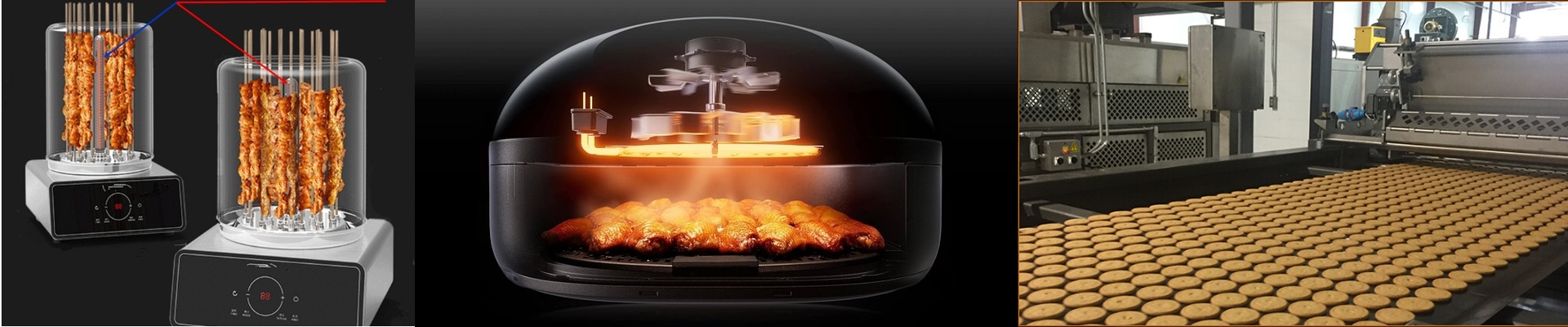
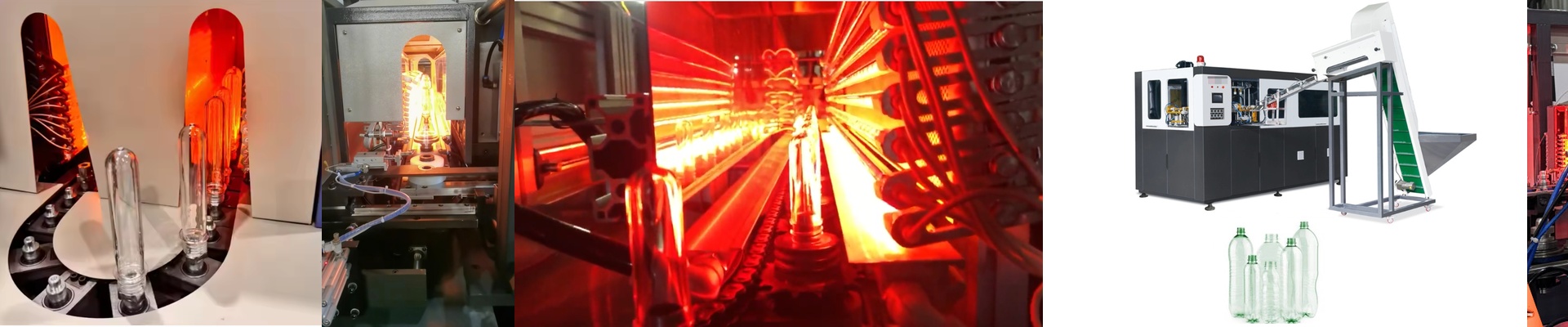
If you’ve ever spent a morning staring at a batch of bread that looks a bit too pale—or worse, tastes like a cracker because you overbaked it—you know the struggle. Getting that deep, golden-brown crust without drying out the inside is a balancing act. It all comes down to the Maillard reaction. To get it right, you need a sudden, aggressive spike of heat on the surface of the dough. That’s exactly why we built our replacement infrared lamps. We wanted to give you a way to nail that timing every single time. Hitting the target fast Most ovens rely on moving air, but that can be slow. Our lamps use shortwave infrared radiation. Instead of heating the air, they shoot energy directly into the dough. It’s a sharp thermal hit. It sears the outside almost instantly. Because we’ve dialed in the wattage and voltage for a steep heat-up curve, your oven hits the target temperature in seconds. No waiting around. Just a fast, hot snap that locks in the color. Built to take the heat Rapidly switching heat on and off is brutal on equipment. That’s why we use high-purity quartz glass for the tubes. It handles the thermal shock without cracking, so you aren’t replacing lamps every few weeks. And since every oven is a little different, we can tweak the glass. Clear quartz is the way to go if you want maximum intensity for fast browning. But if your oven tends to run a bit too hot, we can adjust the wavelength. It keeps you from scorching the surface while still getting that rich color. A few tips for the install These are simple drop-in replacements. We use standard industrial connectors, so you can swap them out quickly during a maintenance window without a headache. Just a heads-up: these lamps put out a lot of concentrated heat. If you’re upgrading to a higher power version, take a quick look at your reflectors. If they’re pitted or oxidized, they won’t bounce the energy back into the bread. You’ll end up wasting power and heating up the oven chassis instead. Also, double-check that your cooling fans are clear of dust and debris. You don’t want your wiring looms getting toasted.