Getting Your Bathroom Heat Right: A Guide to IP55 Infrared Heaters
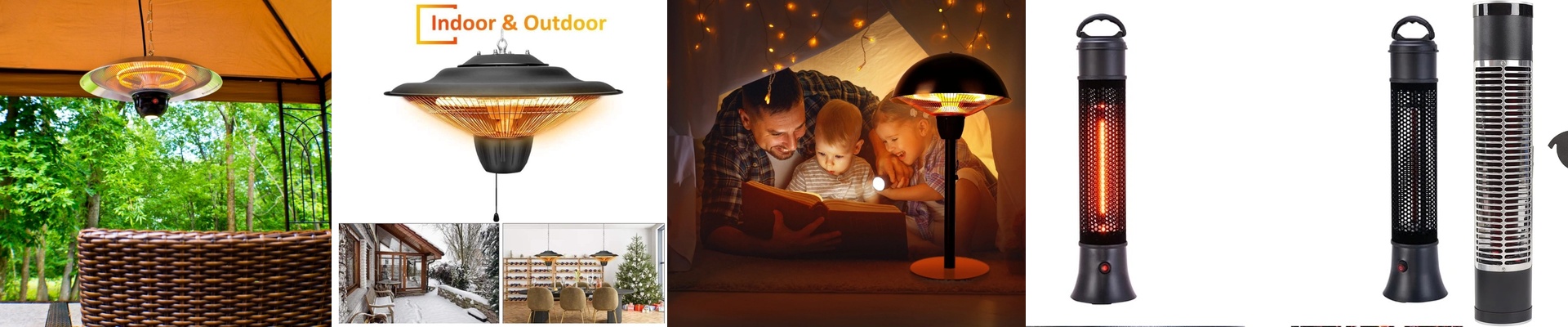
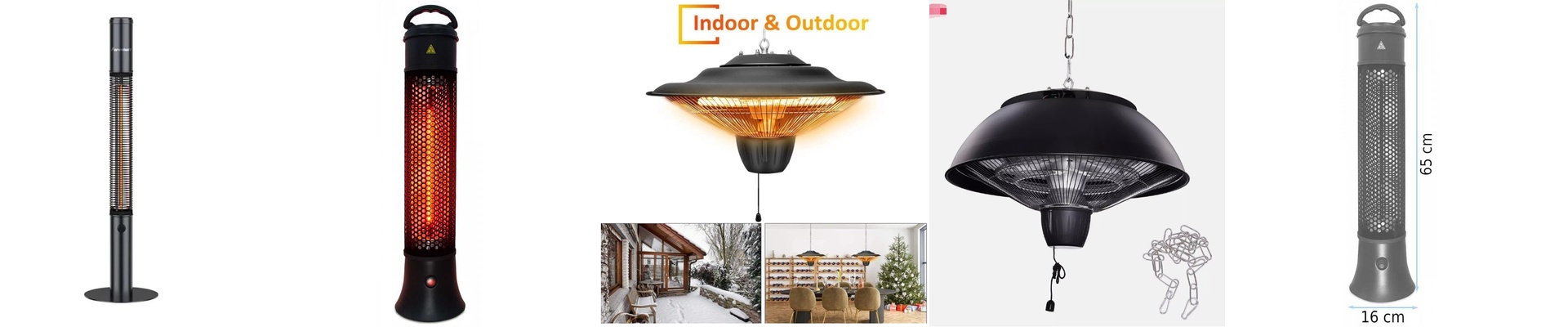
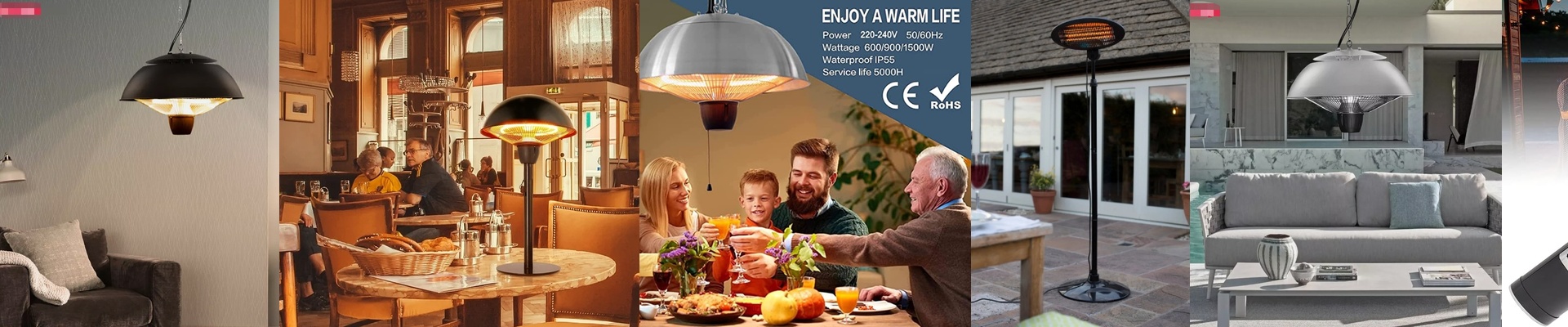
When you’re picking out an infrared heater for the bathroom, the first instinct is usually to just go for the most powerful one on the shelf. But here’s the thing: more power isn’t always better. You really just want a heater that fits the size of your room and can handle the steam without quitting on you. That’s why we stick with IP55-rated units. Standard heaters just aren’t built for bathrooms; the humidity eats them alive or they short out. IP55 means the guts of the machine are sealed tight against splashes and dust.
Finding the Right Wattage
You’ve got to look at the actual footprint of your space. If you’re dealing with a tiny powder room (under 5m²), a 400W to 600W shortwave lamp is plenty. It hits you instantly. You don’t have to wait for the whole room to warm up; you just feel the heat the second you step under it. For those bigger master baths—think 10m² to 15m²—you’ll need to bump that up to 1200W or 1500W to actually feel a difference. Just be careful not to overdo it. If you put a massive heater in a tiny closet of a bathroom, you’re asking for a tripped breaker or a few “hot spots” that feel like standing too close to a campfire. On the flip side, if you go too low, the cold tiles and stone floors will just suck the heat right out of the air before you even feel it.
How the Physics Actually Work
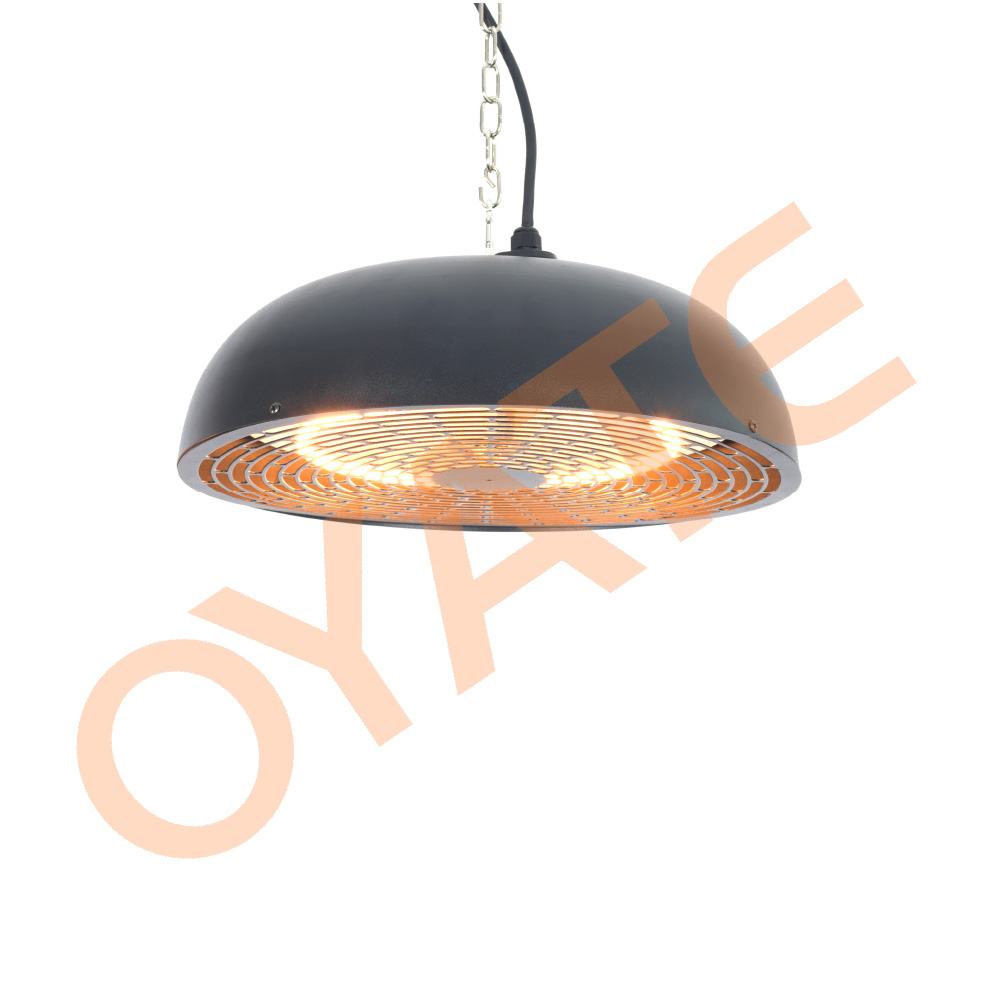
Shortwave infrared is a bit different from your typical space heater. Instead of trying to warm up the air, it warms up you. This is a lifesaver in a damp bathroom where old-school convection heaters usually struggle. Since we use quartz glass, the heat emissivity is high, meaning you get that cozy feeling almost immediately. One quick tip on installation: make sure your mounting bracket is rock solid. These things get hot. Really hot. If you mount the lamp too close to a plastic ceiling vent, you might end up warping the plastic. Give it some breathing room.
Power vs. Your Electric Bill (and Safety)
Higher wattage is great for a fast warm-up, but it puts a lot of pressure on your wiring. A 2000W unit pulls a ton of current. Before you install one, double-check that your cables can handle the load. You don’t want wires overheating behind your walls. Plus, if your circuit is already juggling a loud ventilation fan and a bunch of lights, you might want to stick with a lower-wattage lamp. Or, if you’re feeling fancy, split the load across two different circuits.