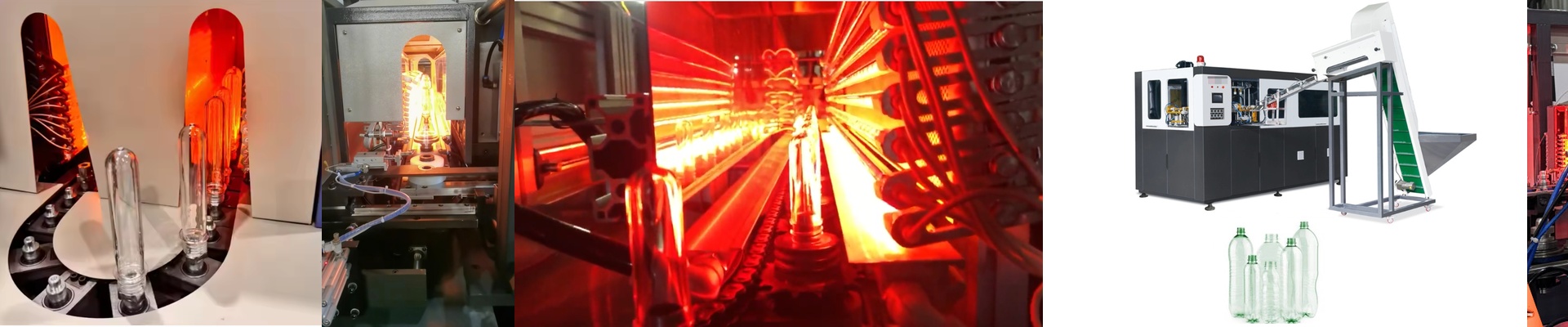
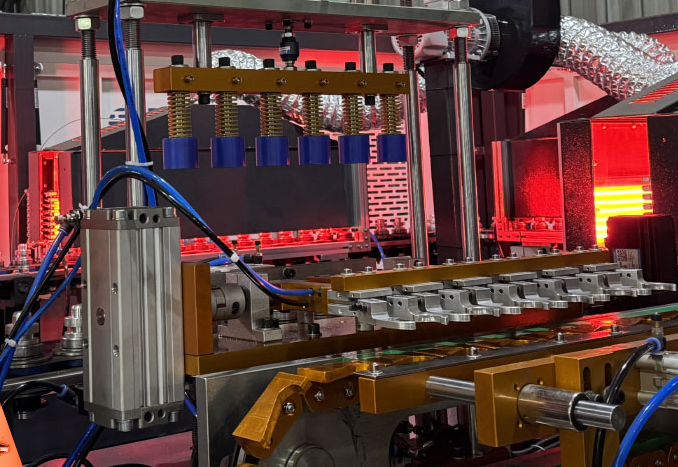
Getting Your Sidel Matrix Heat Right
Here is the reality when you’re swapping out infrared lamps in a Sidel Matrix: the biggest headache isn’t the installation. It’s the temperature curve. If the heat density is even slightly off from the original specs, everything goes sideways. You end up with uneven preforms, weird wall thickness, and a pile of wasted PET. It’s frustrating. That’s why we build our lamps to be true drop-in replacements. We want them to mimic the original thermal footprint exactly. Matching the heat Getting that consistency comes down to the basics—the filament and the quartz. We match the voltage and wattage of the Sidel originals to a T. Now, a tiny difference in wattage might look like nothing on a spec sheet. But when you have a full bank of lamps? That small gap changes the whole heating profile. We use a 1:1 benchmark so the ramp-up time and peak temps hit exactly where the factory intended. The best part? You don’t have to spend your entire afternoon recalibrating oven zones just because you changed a few bulbs. The nitty-gritty stuff We use high-purity quartz glass because it can take a beating from thermal shock. We also tune the halogen cycle to stop the filament from evaporating. Basically, it keeps the lamp from dimming over time. As for the plugs, we use standard R7s or Sk15 connectors depending on which Matrix you’re running. They fit tight. That matters. A loose connection leads to arcing, and before you know it, you’re burning out your sockets. A quick heads-up from the field High-wattage shortwave lamps put out a massive amount of heat. They warm up fast and give you great control. But there’s a catch. When you push these lamps to the limit, your cooling blowers have to work harder. If your vents are clogged or just aren’t cutting it, the oven temperature will climb. When that happens, your preforms can deform. Keep your airflow clear. It’s the simplest way to make sure your heating curve stays stable.