

After walking through 2,000 European homes, one thing kept showing up in every conversation: people want heat that shows up fast, stays steady, and doesn’t turn using it into a project. They want outdoor heating that fits real life—on the patio after work, on the balcony for weekend breakfasts, in the garden as the light fades.
What actually matters under the hood
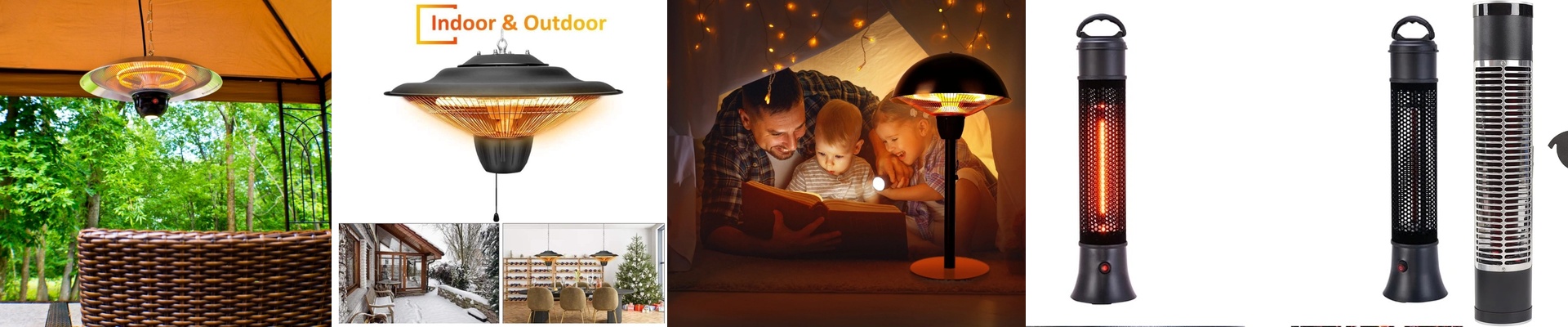
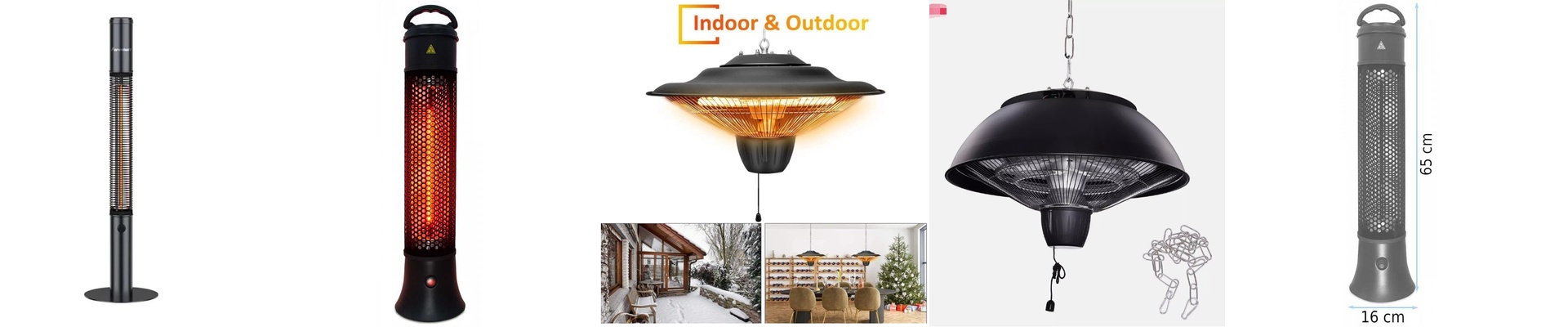
We built this touch-screen infrared heater around a carbon fiber element inside a quartz tube. That combo delivers radiant heat—warming people and objects directly instead of moving air around. The payoff is a quicker comfort curve: you feel full warmth in about 3 seconds, with no fan spin-up to wait on. The touch controls keep it clean: power, temperature, and mode, all from a single swipe. A built-in thermostat holds the set comfort level, so the unit cycles on and off to keep temperature swings from creeping in. For safety, tip-over protection shuts the heater off if it gets knocked over. And the IP rating makes it suitable for covered outdoor areas—just don’t leave it exposed to heavy rain.
Why this approach fits how people live
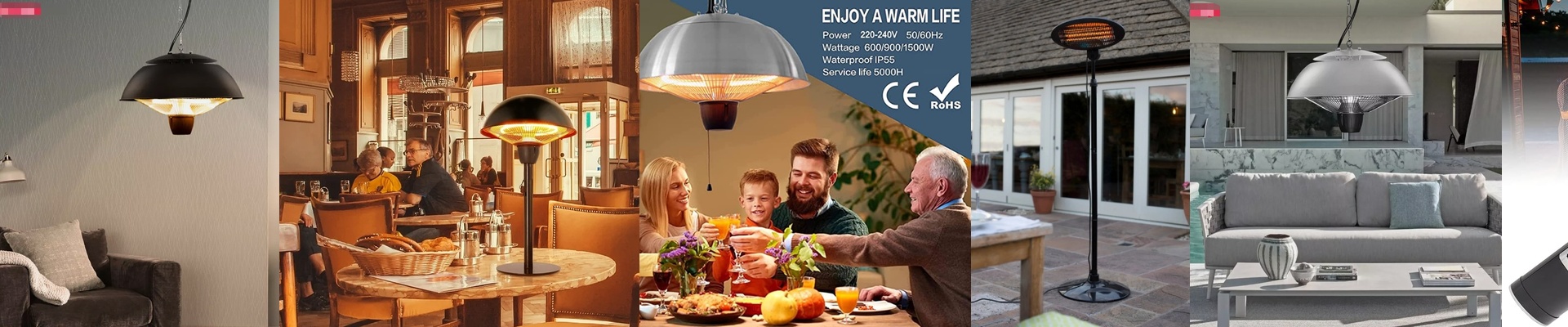
Modern European outdoor living tends to be local, practical, and often tight on space. You don’t want heat that finally reaches the table after the evening has already slipped away. You want warmth that makes “one more drink” an easy yes. Infrared warmth keeps the immediate zone cozy without trying to heat the whole yard, which keeps energy use focused where it’s felt. And the touch screen removes the little friction points—no dials to fumble with, no guesswork. Families keep telling us this matters more than it sounds: when the controls are effortless, the heater gets used more consistently, and comfort becomes routine.
The details that make the difference
For the best results, position the heater so the radiant beam hits your seating area directly—roughly 1.5–2.5 meters from where people sit. Because infrared heats surfaces and objects, nearby walls and floors can absorb warmth and feel warmer, too. It’s designed for covered outdoor spaces. If you’re in an open area, wind can cut into perceived warmth, so placement matters. Installation is straightforward, but like any electric heater, it needs a stable outlet—and a dedicated circuit if you’re running it alongside other high-wattage appliances. Warmth, instantly. Comfort, quietly. Control, at a touch. (Note: Specific IP rating, voltage, and power output depend on the exact model you choose.)