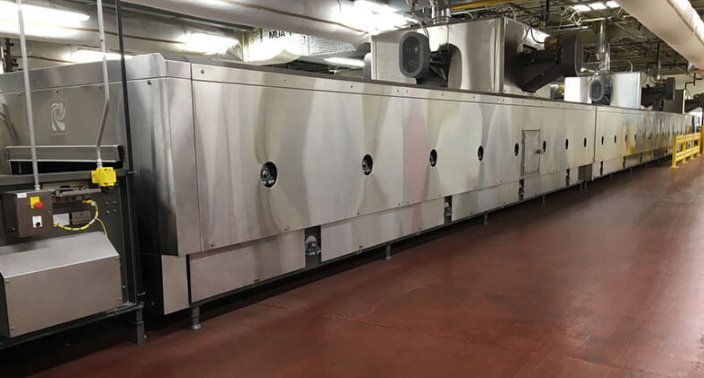
Getting Your Rotary Oven Up to Temp in Seconds
If you’re running a high-frequency switching setup, you know the pain of that “lag.” You flip the switch, but you’re just sitting there waiting for the heat to actually show up. That gap is what kills your cycle time. That’s why we lean on shortwave infrared (SWIR) lamps. They aren’t just “efficient”—they’re fast. Like, really fast.
How the speed actually works
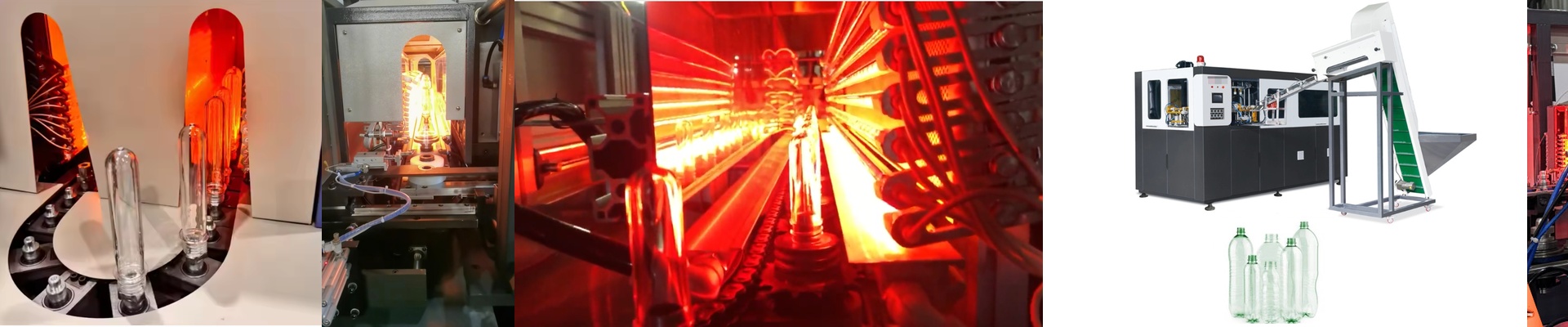
It comes down to the gear. We use a tungsten filament wrapped in high-purity quartz. Because the filament is so thin, it doesn’t have to “warm up” or soak up heat before it starts doing its job. The moment the current hits, you get IR radiation. Almost instantly. If you try to do this with a thick-walled tube or some slow-response element, you’re going to feel that lag. And in a tight production schedule, that lag ruins everything.
The struggle with constant switching
Here’s the thing: flipping a lamp on and off all day is brutal on the hardware. Every time it kicks in, the metal expands. When it shuts off, it shrinks. That constant breathing—expanding and contracting—is exactly why cheap tubes pop. To stop that from happening, we use reinforced electrodes. They’re built to handle that stress without cracking under pressure. One quick tip: make sure your power supply matches your lamp’s voltage and wattage exactly. If your transformer is off, you’ll get voltage spikes. It’s a quick way to kill a perfectly good tube.
The trade-offs you need to watch
High heat density is great, but it’s a bit of a double-edged sword. When a lamp hits full power in a single second, it sends a massive shockwave of heat into the oven housing. You’ve got to keep your reflectors spotless and your airflow dialed in. If your cooling system can’t keep up with the ambient heat, the lamp is going to overheat and burn out—no matter how well it was built. Just keep the area clear of debris so you don’t end up with dangerous hot spots.