Infrared vs. Resistance Heating: Which one actually works for you?
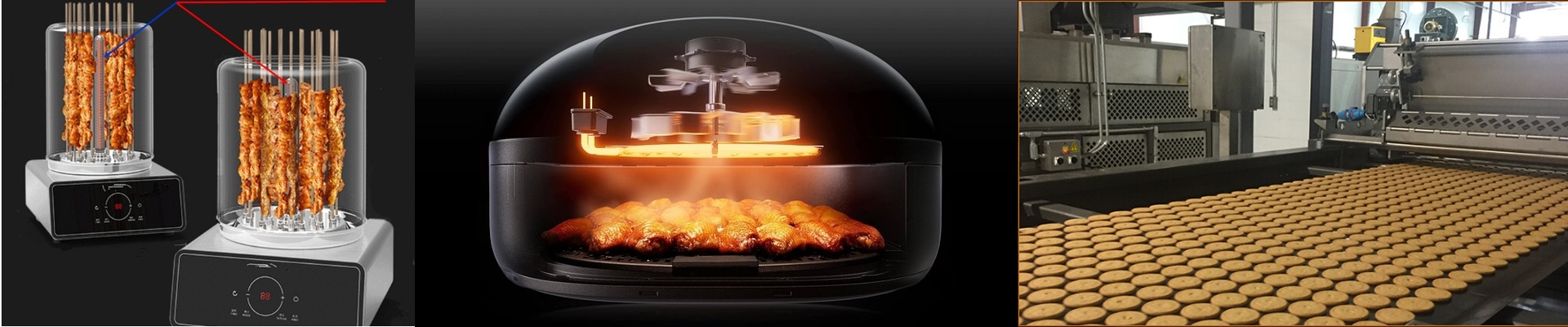
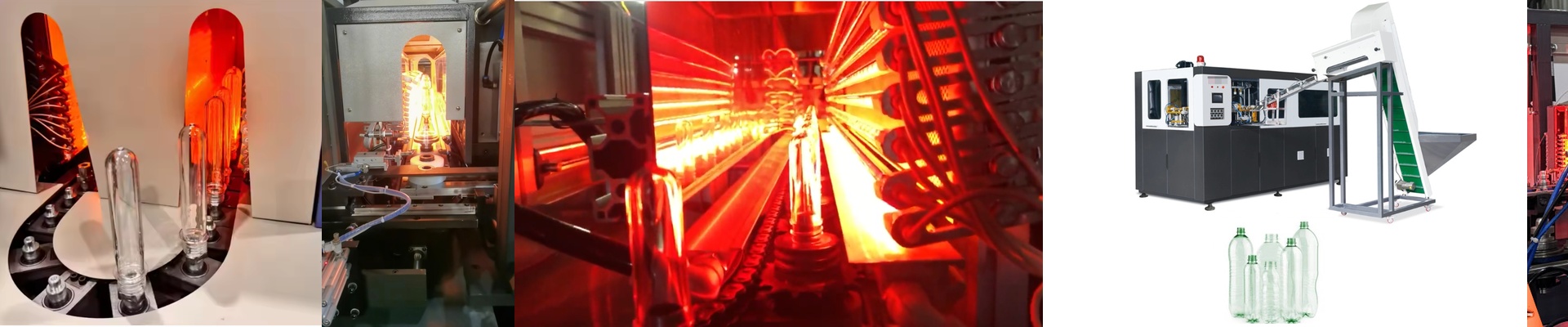
Most convection ovens you’ll find in the wild use those old-school resistance wire coils. They’re cheap to put in, so a lot of shops just stick with them. But here’s the problem: they’re inefficient. You’re basically spending money to heat up the entire metal chassis of the oven before your food even starts to get warm. It’s a waste. Enter infrared (IR) lamps. These don’t mess around with heating up the air first. They send electromagnetic radiation straight to the surface of the food. It’s instant. If you’re running a high-volume line, this is huge. You stop wasting time on long pre-heats and you stop bleeding kilowatt-hours every single cycle. But it’s not just a “plug and play” miracle. There are some things you need to watch out for. Because IR hits the food so hard and so fast, you get a lot more heat in a much smaller space. That’s great for your electric bill, but it can be risky. If your conveyor belt is moving too slowly, you’ll scorch the outside of your product before the middle is even done. You can’t just swap a coil for a lamp and keep your old timer settings—you’ll need to dial things in. And then there’s the maintenance side of things. We use quartz glass for these lamps because it’s food-safe, doesn’t off-gas, and can handle the heat without cracking. The real win, though, is when something breaks. When a resistance wire burns out, you’re usually looking at a total teardown of the heating assembly. It’s a headache. With IR, you just unplug the old tube, slide in a new one, and you’re back in business. If you’re running 24/7, the energy savings usually pay for the lamps within the first year. Just a heads-up: make sure your controllers can handle the fast response of IR, otherwise you might overshoot your target temperature.