Keeping Your Convection Oven Alive: The Truth About Twin Tube IR Heaters
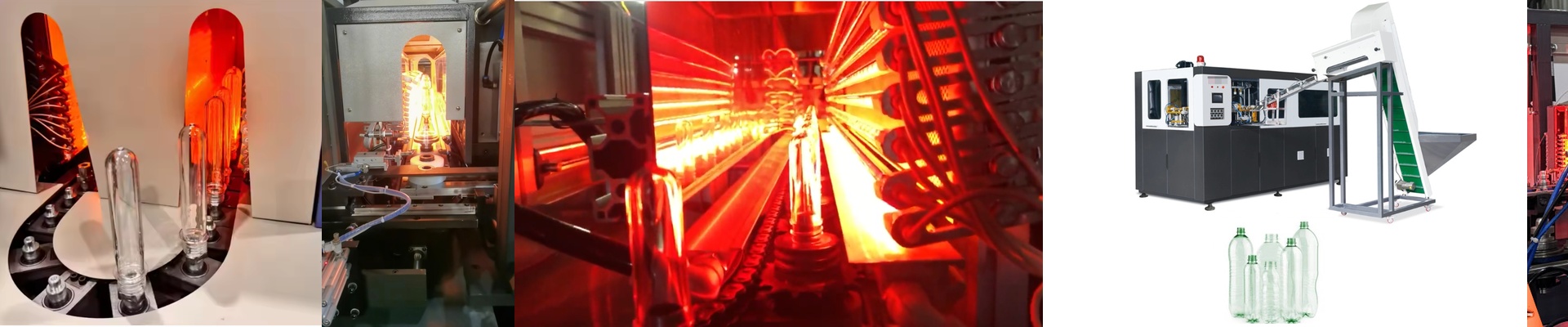
If you’re running a convection oven for 10 hours a day, you know the struggle. It’s brutal on the equipment. When you start looking at high-quality IR tubes, forget the fancy brand names for a second. What actually matters is what’s inside: the purity of the quartz and how perfectly that tungsten filament is wound. Everything else is just marketing. Why go with a Twin Tube? Think of it as getting more bang for your buck in a tiny space. By doubling up the heating elements, you get a lot more heat density without having to crank the voltage to a dangerous level. In a convection oven, the air is constantly fighting you, stripping heat away from the tube the second it’s generated. The twin tube design fights back. It keeps the core temperature high enough that the infrared heat stays steady, even when the fans are blasting. The stuff that actually prevents breakouts To survive a 10-hour shift every single day, you can’t use cheap glass. You need high-purity fused silica. Here’s why: low-grade quartz starts to crystallize after it heats up and cools down a few times. That’s when you get those annoying, premature cracks. We use a refined blend that can handle that constant expanding and contracting without snapping. And the filament? It has to be dead-center. If it’s off by even a fraction, you get “hot spots.” Those are the killers—they make the tube burn out at the ends way before its time. Putting them to work The good news is these are basically “plug and play.” They fit right into most industrial setups, and you can wire them into your current controllers without having to rebuild your entire oven. But there is a catch. Because these tubes put out so much heat, your oven’s chassis is going to feel it. If you’re pushing max wattage for 10+ hours, you’ve got to make sure your cooling and ventilation are up to the task. Check your airflow. If the air around the connectors gets too hot, you’ll fry your terminals long before the tube actually gives out. Keep it breezy, and they’ll last.