Getting Your Heat Right in SIG Blomax and KHS Blow Molders
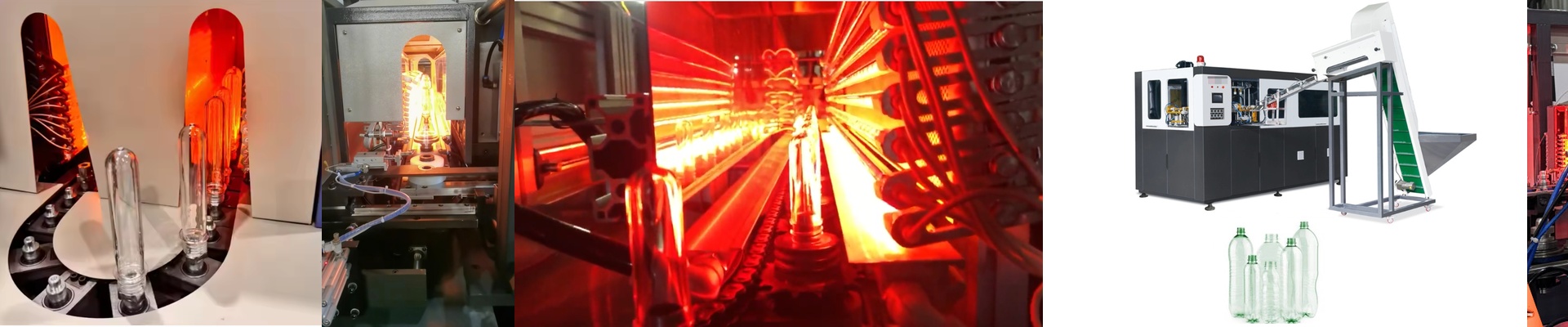
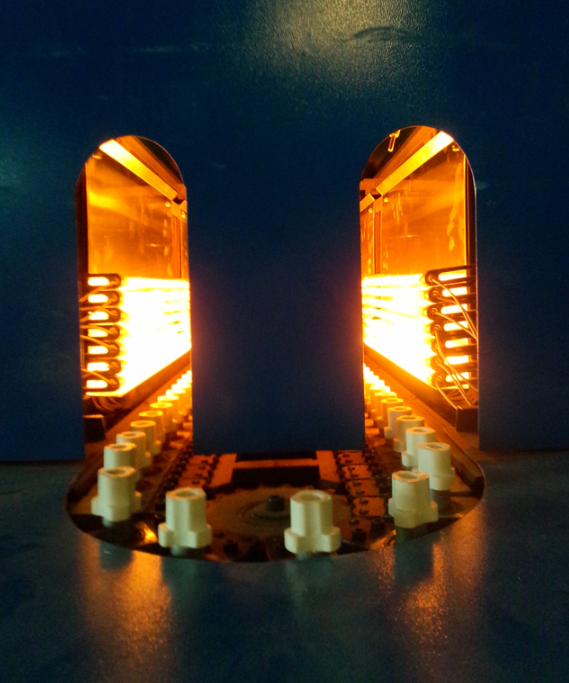
Ever pull a batch of bottles off the line and notice some parts are thin while others look warped? It’s frustrating. Usually, it comes down to thermal inconsistency. In SIG Blomax and KHS lines, we see this all the time. Old lamps start to fade, creating “cold spots” in the oven. You don’t want to spend your whole weekend recalibrating oven timings just to fix a few bad bulbs. You just need a replacement that drops right in and puts out the same heat as the original. Let’s talk power. These lamps are built for the heavy-duty voltage of industrial blowing. We obsess over the wattage-per-centimeter ratio. Why? Because the preform needs to hit that glass transition temperature fast. If you’re running a Blomax 10, you’ve got to keep your voltage steady. A sudden spike can fry a filament in seconds. That’s why we keep the length and diameter tight—they slide right into your existing reflectors without any fighting. The secret is in the glass. We use high-purity quartz. It handles the shock of rapid heating and cooling without cracking. Inside, there’s a halogen cycle that stops tungsten from gunking up the inner walls. Here’s the thing: when the glass clouds over, your heat distribution goes out the window. Our lamps stay clear. Plus, they use standard industrial connectors, so you can swap them out quickly during a scheduled stop and get back to work. Real-world results (and a few warnings). Using high-output lamps often means you’re matching or even beating the heat density of the OEM parts. The result? A more uniform thermal field and way less scrap hitting the floor. But a word of advice. If you crank up the wattage to make up for a slow line speed, your oven’s ventilation has to work harder. Make sure your cooling blowers are clean and up to the task. If they can’t handle the extra ambient heat, you risk warping the oven frames. And nobody wants to deal with that.