Getting Your KHS Heat Right
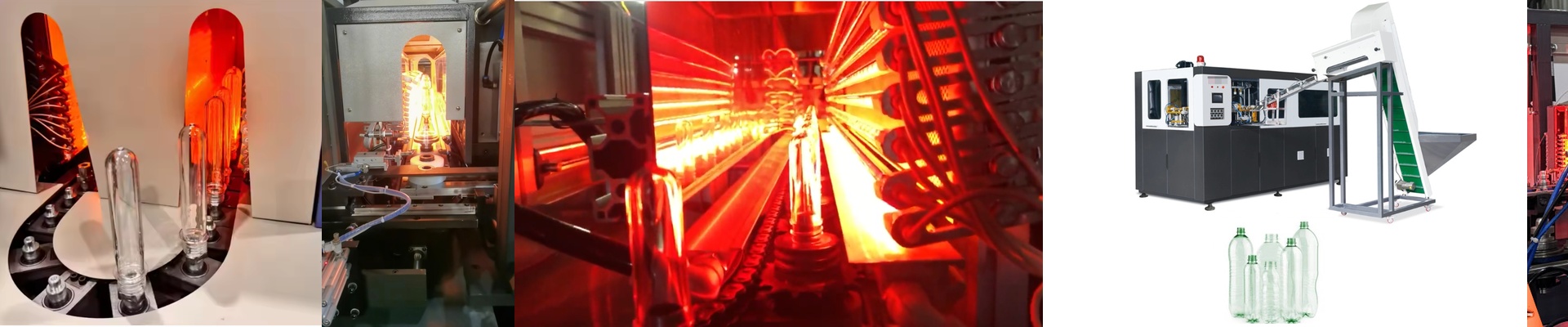
Ever pull a bottle off the line and notice the walls are thin in some spots and thick in others? It’s frustrating. Usually, it comes down to poor heat distribution in your KHS blowing machine. We see it all the time. Either the lamps are just getting old, or someone swapped in replacements that don’t actually hit the preform the way the originals did. When the heat isn’t even, you get structural weak points. Not a great look for your final product. The fix is simpler than it seems: you just need a lamp that can handle high wattage without creating those annoying hot spots.
The science part (kept simple)
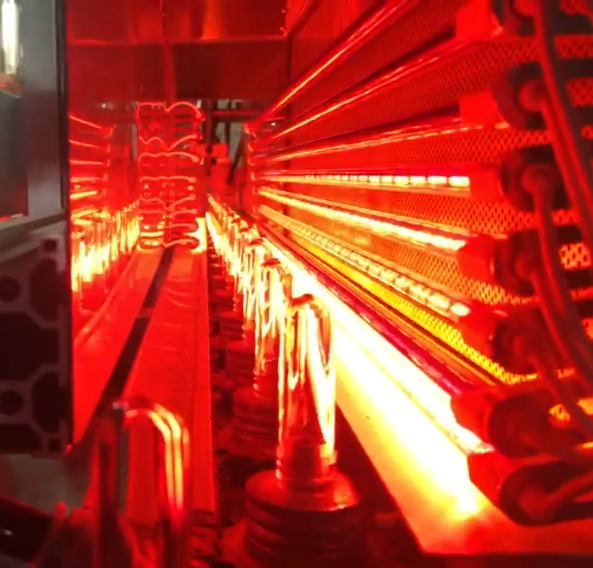
Most KHS setups use shortwave infrared lamps to get the heat into the PET preform fast. To make that work, we obsess over the filament geometry and the purity of the quartz. Why? Because we want the heat to radiate evenly across the whole tube. Here’s the thing: if you shove too much wattage into a tube that’s too short, you get “end-effect” overheating. It’s a mess. We spec our replacements to keep the temperature gradient stable. That means you can stop messing with the oven adjustments every five minutes.
No headaches during install
These are drop-in replacements. Period. We use high-purity quartz glass so they don’t burn out early because of some random impurity in the material. Plus, the connectors match the KHS footprint exactly. You just wire them up to your existing sockets and you’re good to go. No modifications, no drilling, no stress. We also use a halogen cycle. It keeps the tungsten from gunking up the inside of the glass, which is why most lamps start to dim over time. Ours stay bright.
A few things to watch out for
If you want faster cycle times, you’ll want higher heat density. But be careful. Pushing more wattage through a small space puts a lot more pressure on your cooling fans. If you decide to swap to a higher-output lamp to speed things up, go check your blower speeds first. If your cooling system can’t handle the extra heat, you might actually warp your oven reflectors. And a quick tip: make sure your voltage and wattage match your power supply exactly. It’s the only way to make sure you aren’t blowing fuses or leaving your preforms under-heated.