Can a Simple Lamp Swap Actually Speed Up Your Old Blow Molding Machines?
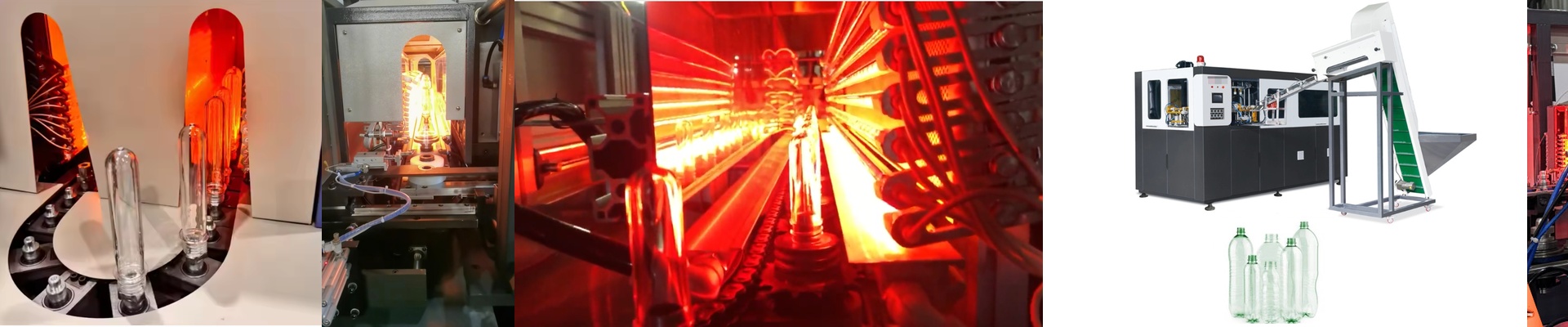
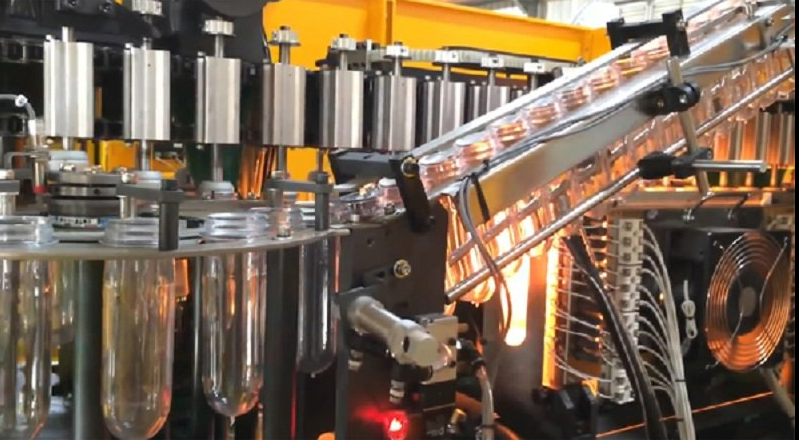
If you’re running a mid-sized PET plant, you probably have a few aging machines that just won’t hit the cycle times you need. It’s frustrating. You start thinking the machine is just “old” or maxed out. But here’s the thing: usually, it’s not the machine. It’s the oven. If your IR lamps are worn out—or if they were designed for lighter preforms than what you’re running now—you’re just not getting enough heat into the plastic. You’re fighting a losing battle with the clock. The trick is all about heat density. To move faster, you need to get that preform to the glass transition temperature quickly, but without scorching the neck. We look at the wattage-to-length ratio. By using high-wattage shortwave halogen lamps, we can push energy deeper into the PET wall, and we do it faster. Now, we have to be careful with the voltage and wattage balance. Higher voltage can make your wiring runs cleaner and thinner, but you’ve got to keep a close eye on your power supply. If the tolerances are off, you’ll just burn through your bulbs. What about the actual hardware? We use quartz glass with specific coatings. Why? Because we want the heat hitting the preform, not soaking into the oven housing. It keeps the whole setup cooler, which means your fans don’t have to work overtime. As for the fit, we stick to the basics like R7s or Sk15 bases. They’re drop-in replacements. You don’t have to rip out your wiring or rebuild your cabinets. You just swap the tubes, tweak your timers, and you’re back in business. But it’s not a magic wand. You can’t just crank up the wattage and walk away. More heat density means a hotter oven. If you push the power too hard without checking your blow-room ventilation, things get messy. You might warp your reflector plates or trigger a thermal shutdown right in the middle of a run. It’s a balancing act. You have to match that extra heat with your machine’s actual cooling capacity. If you don’t, you’ll end up with bottles that have inconsistent wall thickness—and nobody wants that.