Stop Losing Money Every Time the Temperature Drops
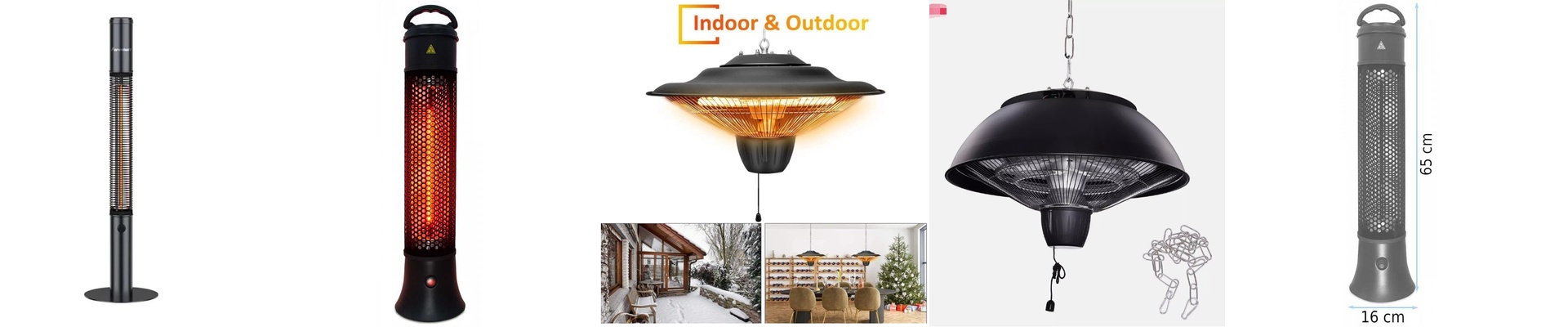
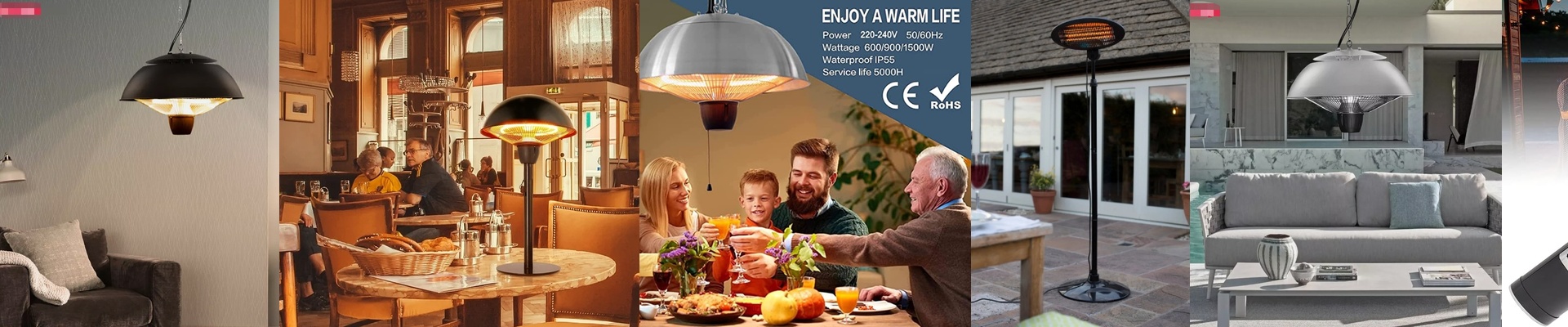
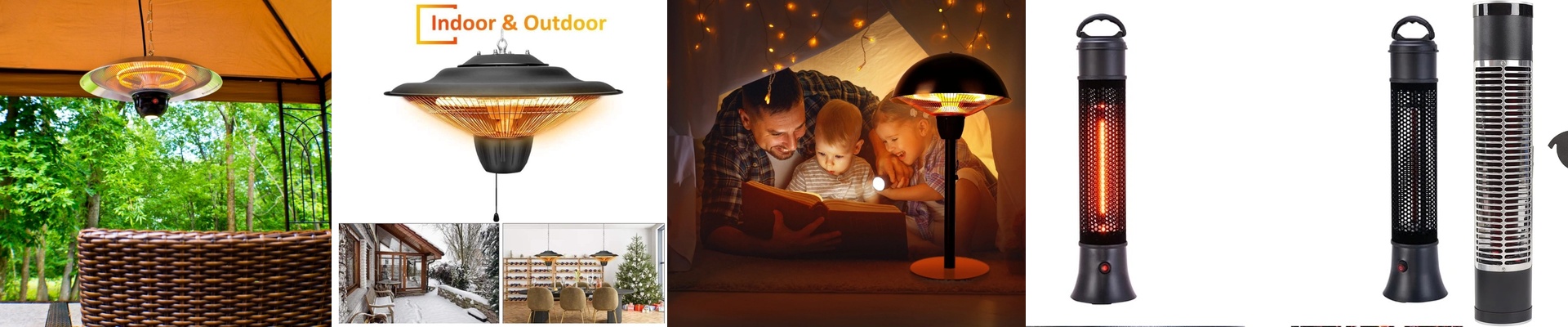
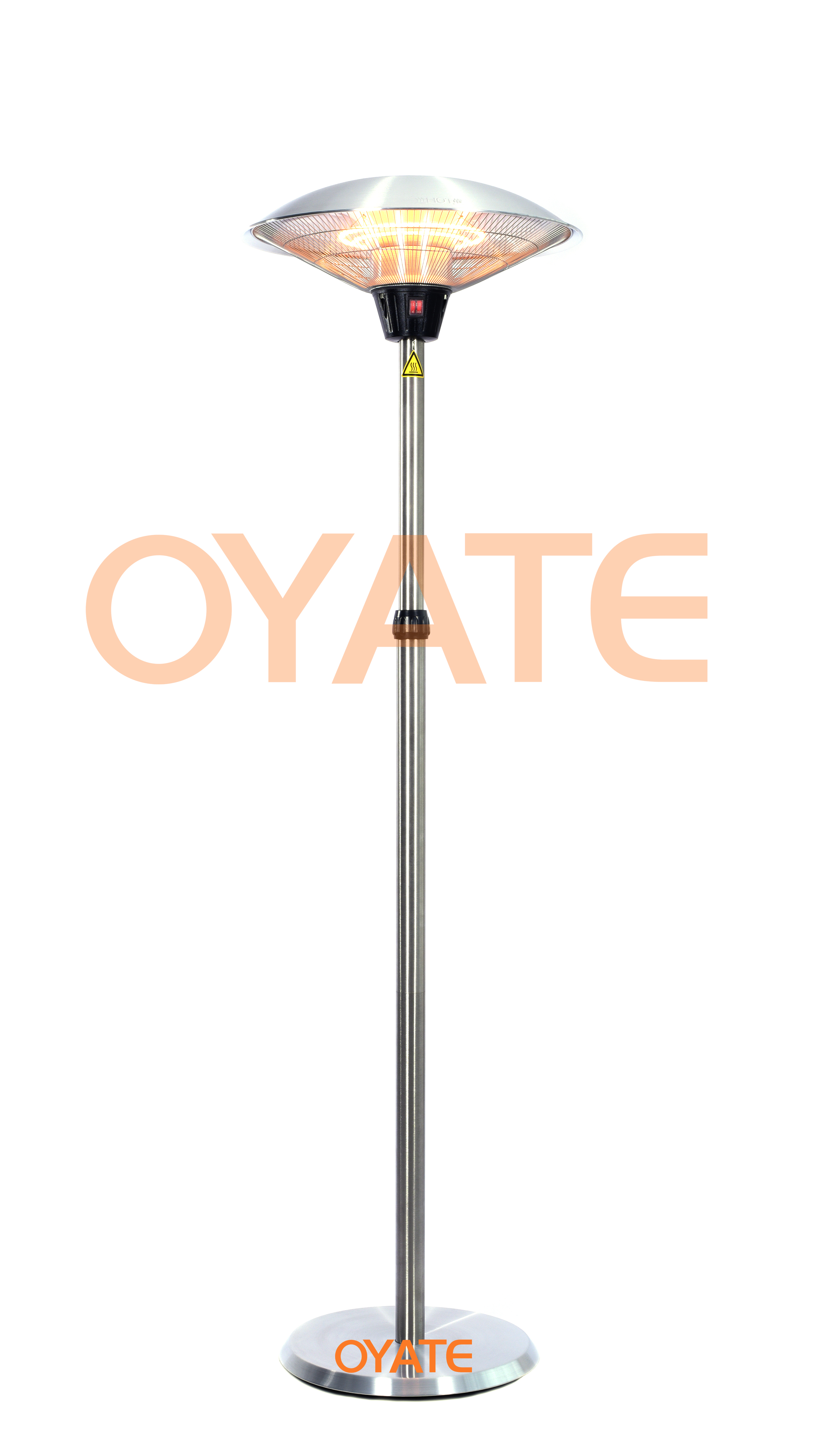
It’s a frustrating cycle. The weather turns, the patio gets cold, and suddenly your best tables are ghost towns. When guests are shivering, they don’t linger. They eat fast, skip dessert, and head for the door. That’s where short-wave infrared heaters come in. Most heaters try to warm up the air. But if there’s a breeze, that warm air just blows away. Infrared is different. It doesn’t care about the wind. It beams heat directly onto your guests and their chairs. It feels like sitting in the sun on a crisp October day. Getting the placement right is everything. You can’t just slap these on a ceiling and hope for the best. If they’re too high, the heat vanishes before it reaches the table. Too low? You’ll end up baking the top of a customer’s head while their toes are still freezing. We spend a lot of time figuring out the exact “heat zones” so the warmth feels natural and consistent. The math is pretty simple. Warm people stay longer. They order that second bottle of wine or a round of coffees. Plus, you get to actually use your outdoor square footage from November through March instead of letting it sit empty. But here is the catch: you can’t just plug these into a regular wall outlet. These units pull a lot of power. If you don’t upgrade your breaker panels or run dedicated lines, you’re going to trip the power right in the middle of a Friday night rush. Not a great look. We usually suggest a zoned control system. That way, if the back corner of the patio is empty, you can just kill the power to those heaters and stop wasting electricity. At the end of the day, the gear pays for itself. If you can fill just four extra tables a night during the winter, the system is paid off in a few weeks. It’s a simple trade: keep people warm, and they’ll keep spending.