How to get your pizza bake time down from 5 minutes to 90 seconds
If you’ve ever run a high-volume pizza shop, you know the feeling. The tickets are piling up, the line is out the door, and your rotary oven just can’t keep up. Most of these ovens rely on heating the air around the pizza, which is fine, but it creates a massive bottleneck when you’re in the weeds. We decided to fix that by ditching the air-based approach and bringing in infrared ceramic heaters. The result? We’ve managed to slash bake times from 300 seconds down to just 90. It’s fast. Really fast. And that changes everything for your workflow.
The secret is in the heat
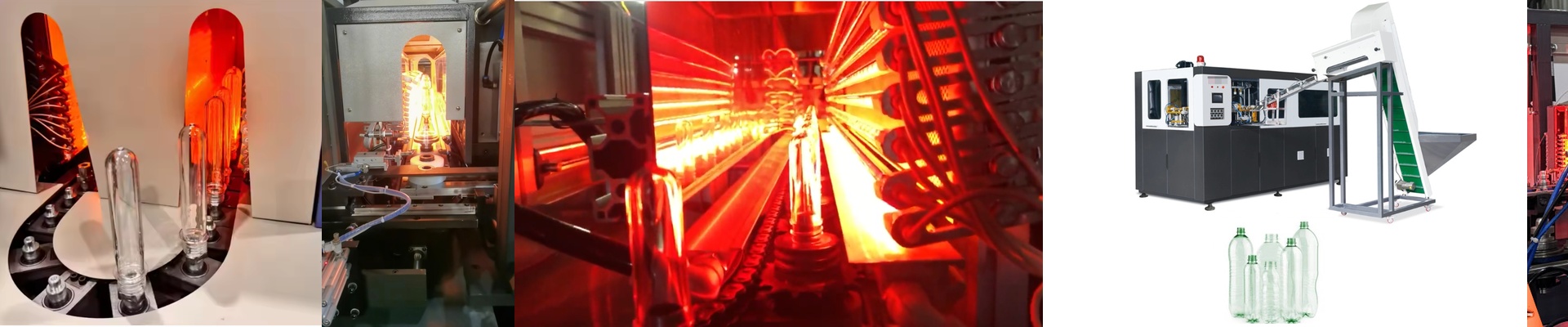
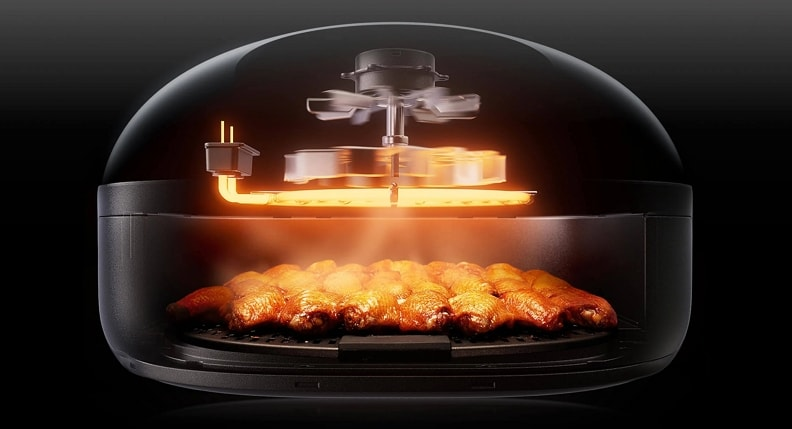
Here is the thing: standard heaters spend a lot of time just warming up the air inside the oven. Infrared is different. It uses radiant energy that hits the dough and toppings directly. Think of it like stepping into the sun on a cold day. You don’t wait for the air to warm up; you feel the heat on your skin instantly. That’s exactly what’s happening to your pizza. The second it hits the chamber, the heat is already working. No waiting around for the oven to “catch up.”
Built for the grind
Commercial kitchens are brutal. The constant heating and cooling can kill cheap equipment, so we used high-alumina ceramics. These things are tough. We embed the elements right into the ceramic so they don’t burn out when you’re ramping up for a Friday night rush. But a quick heads-up: these heaters are power-hungry. They pull a lot of wattage to hit that 90-second mark. If your wiring is old or undersized, you’ll see your voltage drop, and your heat will tank. Make sure your power supply can handle the surge before you flip the switch.
Getting it just right
You can’t just throw these heaters in and call it a day. Positioning is everything. We angle them carefully so the pizza gets a perfect, even bake as it rotates. If you get the angle wrong, you’ll end up with charred crusts and cold cheese. Plus, remember that infrared heat travels in a straight line. If some of your pizzas are thicker than others, the browning won’t be the same. You’ll need to tweak the distance between the heater and the pizza to find that sweet spot. And one last thing—these heaters put out a ton of energy. If your cooling fans aren’t up to the task, the outside of your oven is going to get way too hot. Keep an eye on your ventilation so you don’t cook your staff along with the pizza.