Getting Your Sidel Combi SF300 Heating Right
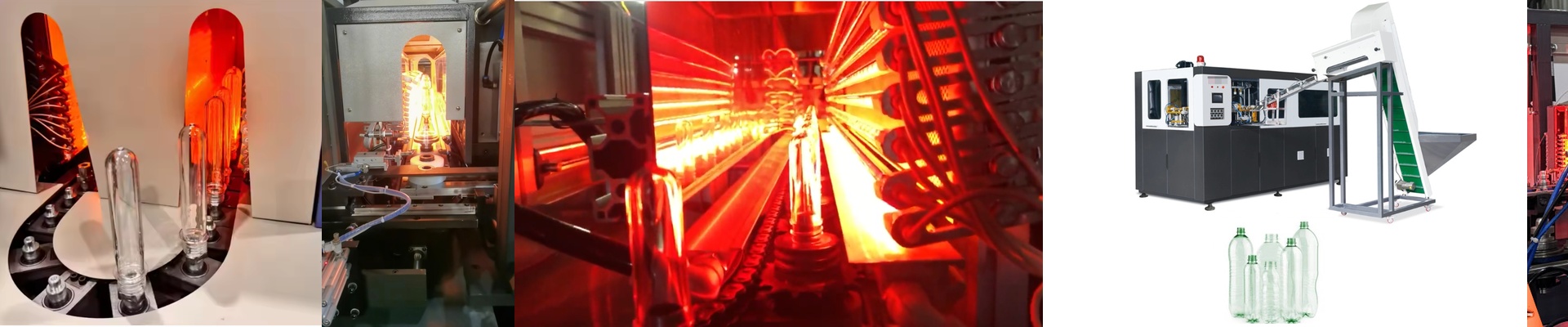
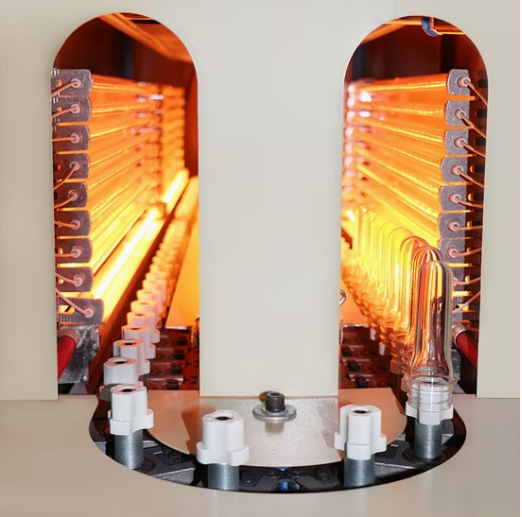
If you’re running a Sidel Combi SF300, you know the struggle. You need enough heat to soften those PET preforms, but one wrong move and you’re scorching the plastic. It’s a delicate balance. That’s why we built our infrared lamps to be simple, drop-in replacements. We made sure they fit the electrical and physical footprint of the original gear, so they just work. In fact, they’ll fit about 95% of the blowing machines you’ll find globally. No fuss. The nitty-gritty on heat and power Most SF300 setups need high-wattage shortwave output. We’ve specced these lamps to handle heavy voltage loads—usually anywhere from 220V to 400V—so they heat up fast. Packing that much wattage into a small tube creates a lot of heat density. The good news? Your preforms hit that glass transition temperature way quicker. But here’s a tip:**keep your cooling fans clean.**If they’re clogged, all that heat has nowhere to go and can actually bake your reflectors. Not a fun way to spend a Tuesday. What’s under the hood We use heavy-wall quartz glass and fill the tubes with halogen gas. Why? Because the halogen cycle stops tungsten from building up and clouding the glass. It keeps your light output steady for thousands of hours. We also stick to standard R7s or Sk15 bases. We’re big on tight electrical contacts here. A loose fit is a recipe for arcing, and nobody wants to deal with burnt-out sockets. Real-world use on the shop floor The best part is that you don’t have to mess with custom wiring or bend any brackets. You just pull the old tube out, slide ours in, and you’re good to go. Since we matched Sidel’s tolerances for length and diameter, the IR beam stays centered right where it belongs. This means no more annoying cold spots in your bottle walls. One thing to keep in mind: if you’re pushing your machines to maximum cycle speeds, keep a close eye on your lamps. Pushing the voltage to the limit always eats away at the filament life a bit faster. It’s just the nature of the beast.