

Why Your Bathroom Heater Keeps Dying (And How to Actually Fix It)
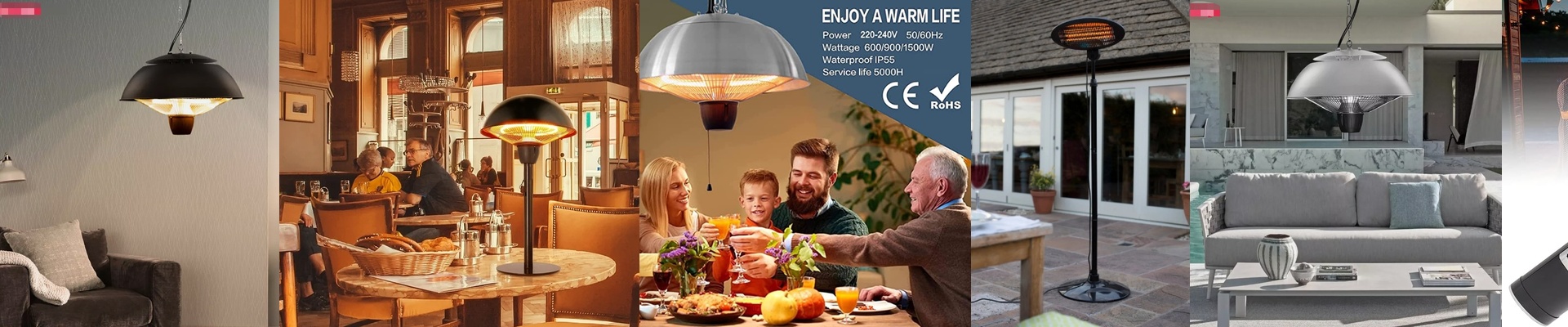
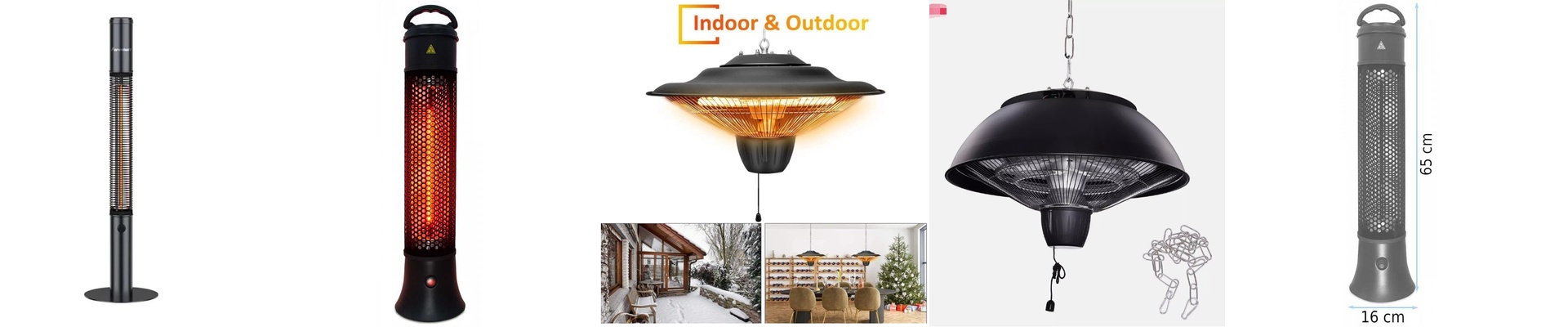
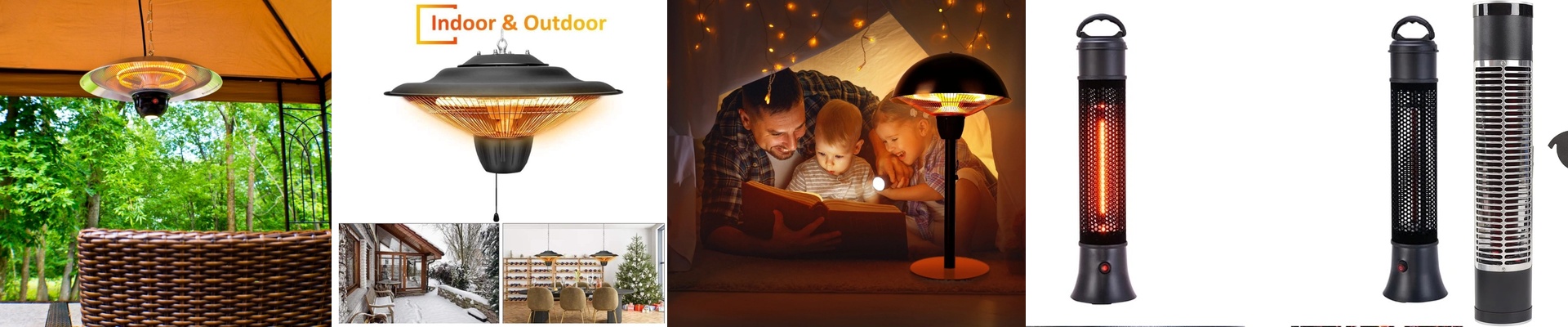
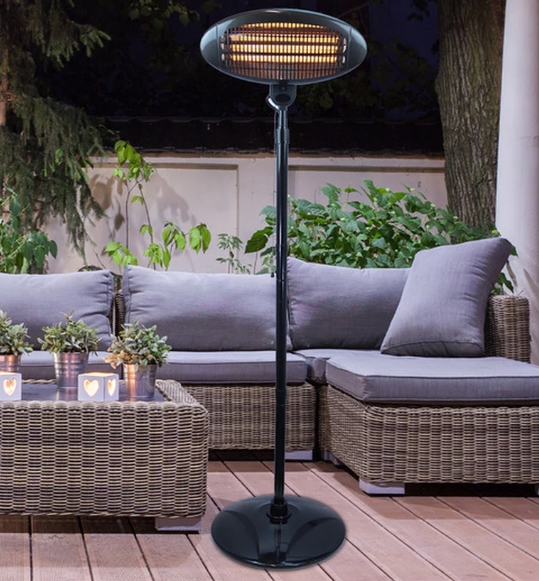
Ever notice how those standard bathroom heat lamps always seem to quit right when you need them? Usually, it’s because they just aren’t built for the steam. Moisture creeps in, things short out, and suddenly you’re shivering in a cold room. We’ve been moving toward high-ceiling infrared heaters with serious waterproof ratings. It’s a much smarter way to handle the damp. The problem with “heating the air” Here’s the thing about traditional heaters: they try to warm up the air. But heat rises. If you have high ceilings, all that warmth just hangs out at the top of the room while you’re freezing on the floor. Infrared is different. It doesn’t bother with the air. Instead, it sends out waves of heat that hit you—and your floor—directly. It feels more like standing in the sun. You get warm instantly, and you aren’t wasting electricity heating a ceiling you can’t even touch. Dealing with the steam Bathrooms are basically torture chambers for electronics. Between the steam and the occasional splash, cheap heaters just can’t keep up. The internals corrode, the wiring burns out, and you’re buying a new one every six months. That’s why we stick to units with high IP ratings. It’s just a fancy way of saying the guts of the heater are sealed tight. No vapor gets in, so the electronics actually last. One heads-up, though: these units pull a lot of power to get hot quickly. Make sure your electrical panel can handle it. If your wiring is too thin, you’re going to be tripping breakers, and that’s a headache nobody wants. Getting the setup right These are usually easy to swap into your old fixtures, and we use reinforced housings so the unit doesn’t warp from its own heat. But you have to be smart about where you put them. Infrared heat travels in a straight line. If you tuck the heater into a far corner or mount it way too high, you’ll end up with “cold spots” where the heat just doesn’t reach. It’s a bit of a balancing act. You have to figure out the distance from the ceiling to the floor to make sure the warmth actually hits you where you want it.