Making Smart Ovens Actually Fast
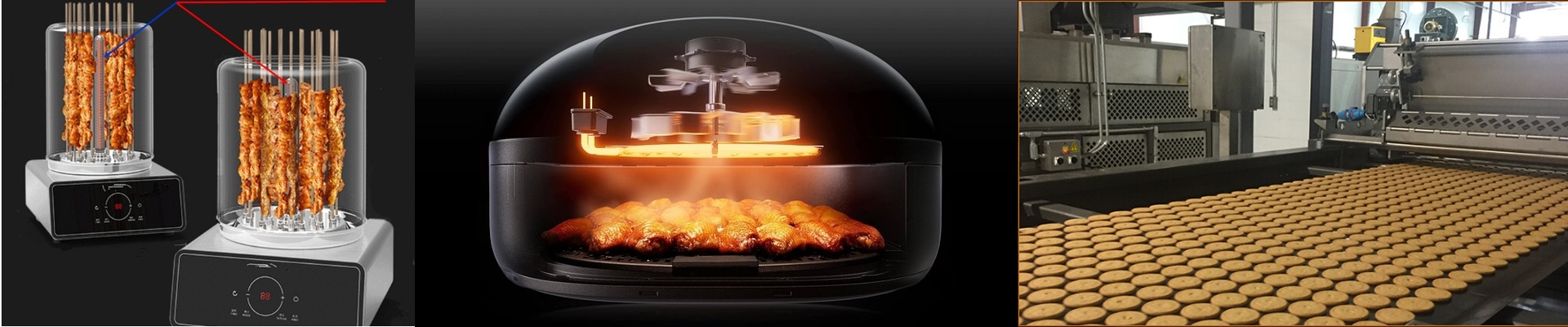
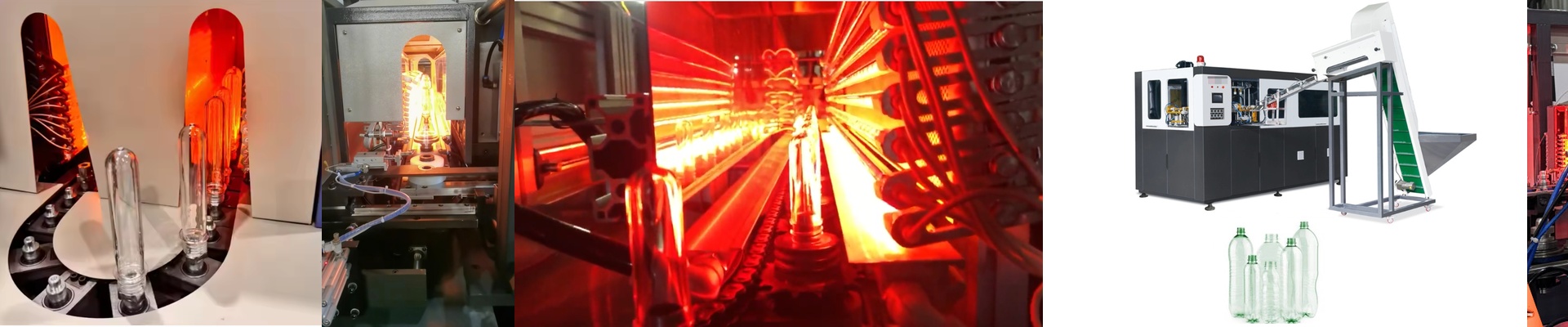
If you’re building an AI-driven kitchen, you know the struggle. You’ve got all these smart sensors, but your heating elements are lagging. Traditional coils take forever to warm up, and by the time they hit the right temp, you’ve already overshot the mark. That’s why we use high-precision infrared bulbs. Instead of waiting for the air to heat up—which is a slow, clunky process—these bulbs beam radiant energy directly into the food. It’s nearly instant.
The secret to the heat
We lean heavily on short-wave infrared (SWIR). Why? Because it actually penetrates the food. You aren’t just scorching the outside while the middle stays ice cold. When you pair these lamps with high-frequency PID controllers, the response time drops to milliseconds. No more guessing. No more “over-shooting” the temperature. Just precise, snappy heat.
Hardware that actually fits
We’re not into the “one size fits all” approach. That never works in the real world. Depending on how your oven is laid out, we tweak the wattage and voltage to fit your power rail. If we go with a higher voltage, your wiring can be thinner and you don’t have to worry as much about current draw. We use quartz envelopes to keep the filament safe while letting the IR light through. And if you’re seeing cold spots in your oven? We just adjust the filament winding density until the heat pattern is exactly where you need it.
The honest trade-offs
Look, this kind of power comes with a catch. These lamps getintense. If you use cheap materials for the brackets, they’ll warp. You’ll want to stick with ceramics or heat-resistant alloys. Also, keep an eye on your cooling fans. If they aren’t tuned to the lamp’s output, you’re going to fry your socket connectors. It’s a simple fix, but it’s something you can’t ignore.
Getting it running
We designed these to be drop-in replacements. You don’t need to rebuild your whole array. Just wire them into your control board, set your thresholds, and let the AI handle the pulsing. It’s a quick way to ditch those slow, legacy elements and finally make your hardware keep up with your software.