Getting That Perfect Golden Brown
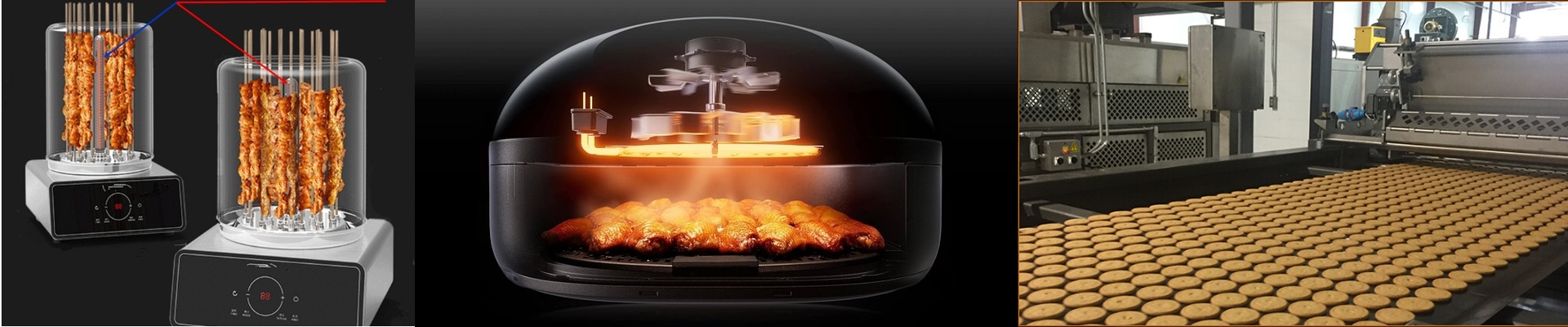
Ever wonder why some loaves have that flawless, golden-brown crust while others just look… pale? It’s not just about cranking up the heat. It’s about the wavelength. We use short-wave infrared (SWIR) tubes in our deck ovens for a reason. They dive deep into the dough fast, triggering that Maillard reaction—the magic that creates the color and flavor—without turning the inside of your bread into a crouton.
Finding the Sweet Spot
Getting the intensity right is a bit of a balancing act. It mostly comes down to wattage and how far the tube sits from your bread. If the wattage is too low, the heat just vanishes before it even touches the dough. You end up with a loaf that looks like it forgot to tan. But go too high? You’ll torch the top before the middle is even cooked. That’s why we don’t do “one size fits all.” We tweak the wattage and length to fit your specific oven. More power per centimeter means you heat up faster. And by customizing the length, we make sure the heat hits every inch of the deck. No one likes a “cold spot” where half the batch stays white.
The Hardware Stuff
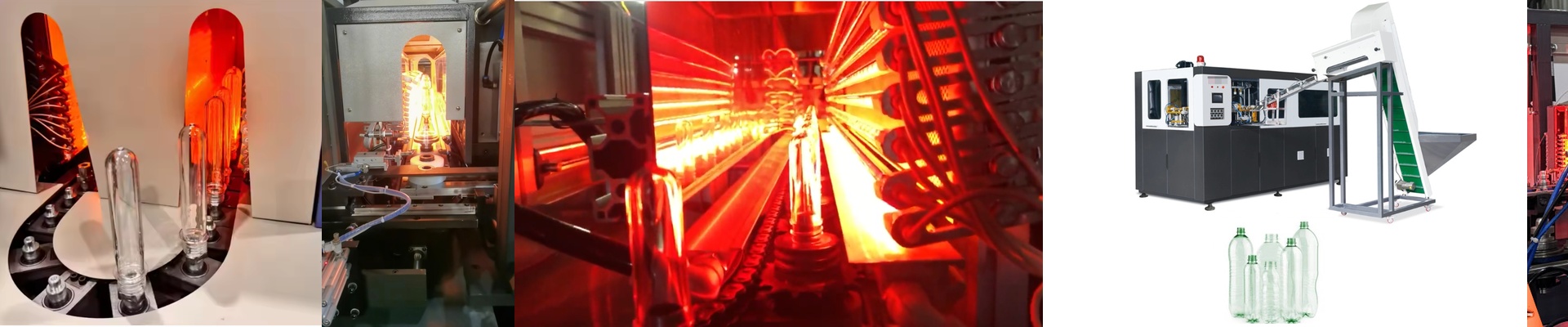
These tubes are made from high-purity quartz. They have to be, because they go through a brutal cycle of heating and cooling every single day. We also add specific coatings to make sure the energy actually soaks into the bread instead of just bouncing off. One quick tip: watch your wiring. These high-intensity tubes pull a lot of current. If your connectors aren’t rated for the load, they’ll burn out at the terminals, and that’s a headache you don’t want.
The Trade-off
Here’s the thing: short-wave heating is aggressive. It’s fast. Really fast. That’s how you get that textbook color, but it means you can’t afford to be sloppy with your timing. A few extra seconds can be the difference between a perfect crust and a charcoal brick. To keep things under control, you’ll want a reliable PID controller. It pulses the power so the surface temperature doesn’t just spike and ruin your hard work.